If you remember, we started some seeds off in some peat-free compost a while ago, they hung around for a couple of weeks and just withered away. Alan got in touch with us here at the time and mentioned he had the same problem so started mixing garden compost in with the peat-free stuff.
We’ve just heard from Alan again on how his seeds are going this year and it looks like the mixing of a small amount of home-made garden compost is working well. “Last year I had pretty poor germination despite soaking seeds and providing warmth as usual. This year the outcome so far has been night and day different” Here’s the rundown on how it’s going (bold is this year’s results).
“I wanted at least one aubergine plant – last year got none from my first
batch of seeds. Planted 3 seeds, 3 plants. Chillis – wanted one plant. 3 seeds, 3 plants (both pics above).
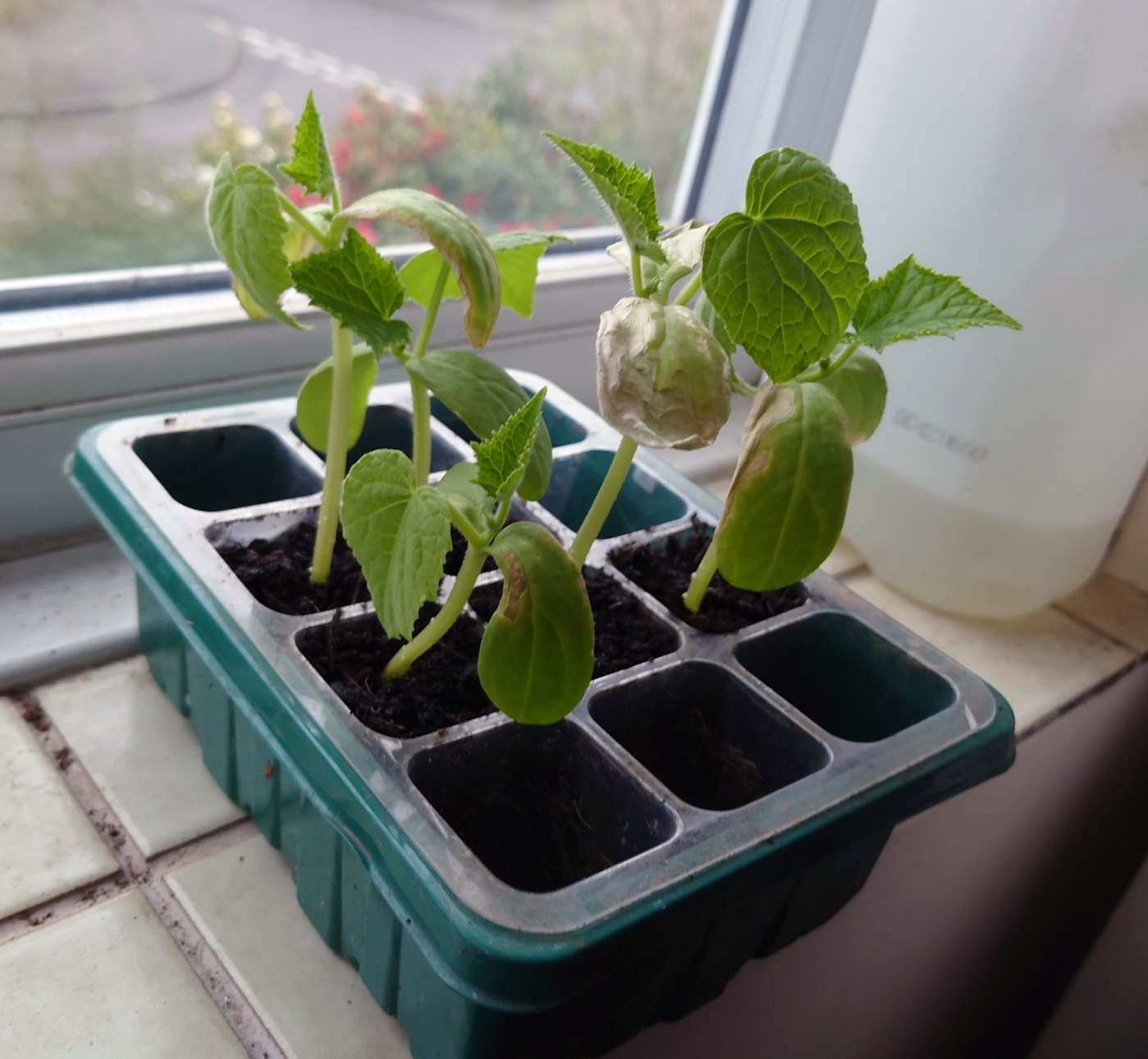
Cucumbers (above) – couldn’t get anything from seed last year so had to buy a plant
from the local nursery (it died, so bought another). Planted 5 seeds hoping for 1 plant – 5 plants. Have one or two to give away to my daughter.
Tomatoes (above) – never normally a problem and again very good results, near 100% germination.
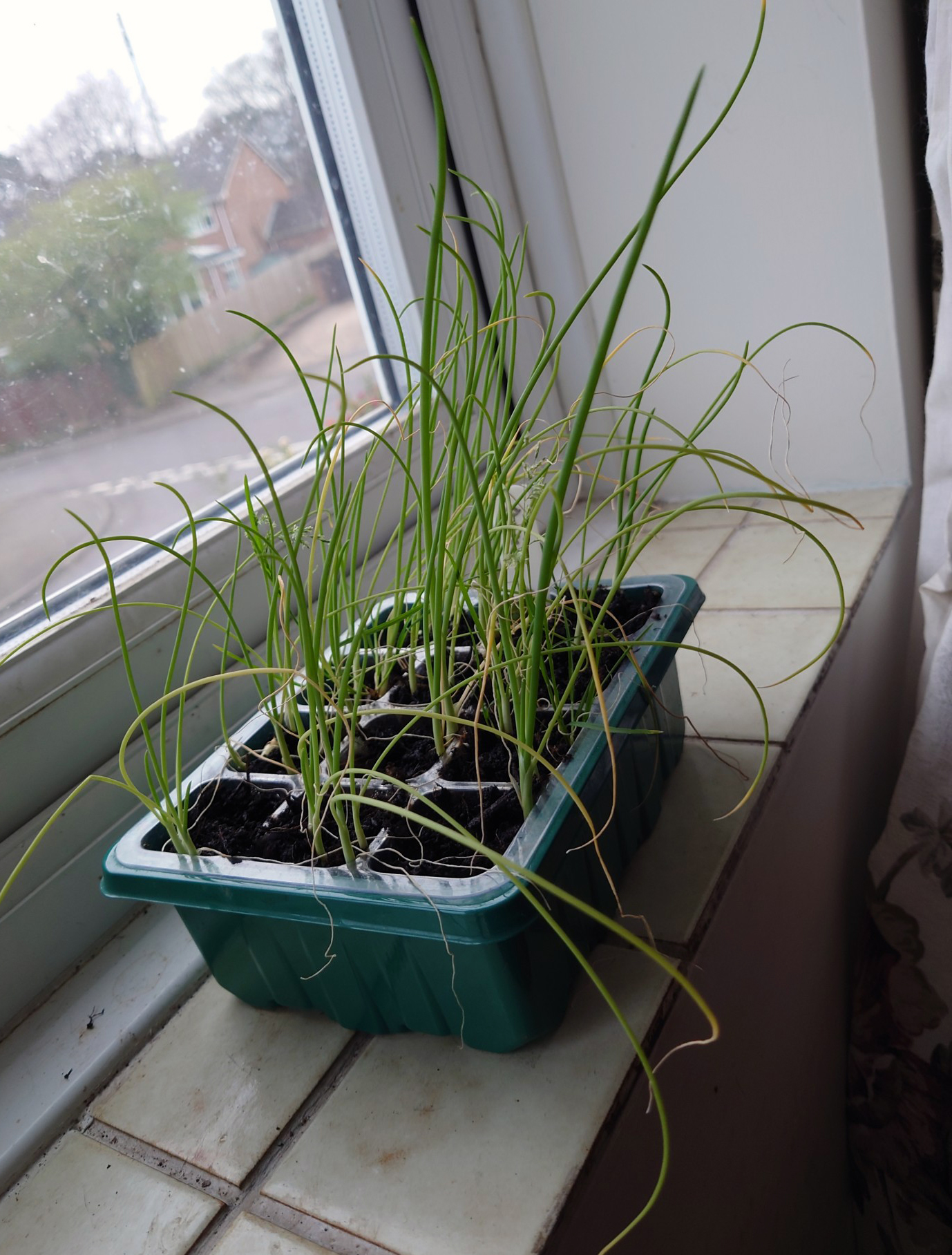
Onions (above) very good results with near 100% germination (Weedsnote: That is brilliant Alan, we’ve never done onions from seed before we don’t think or they’ve never been successful if we have).
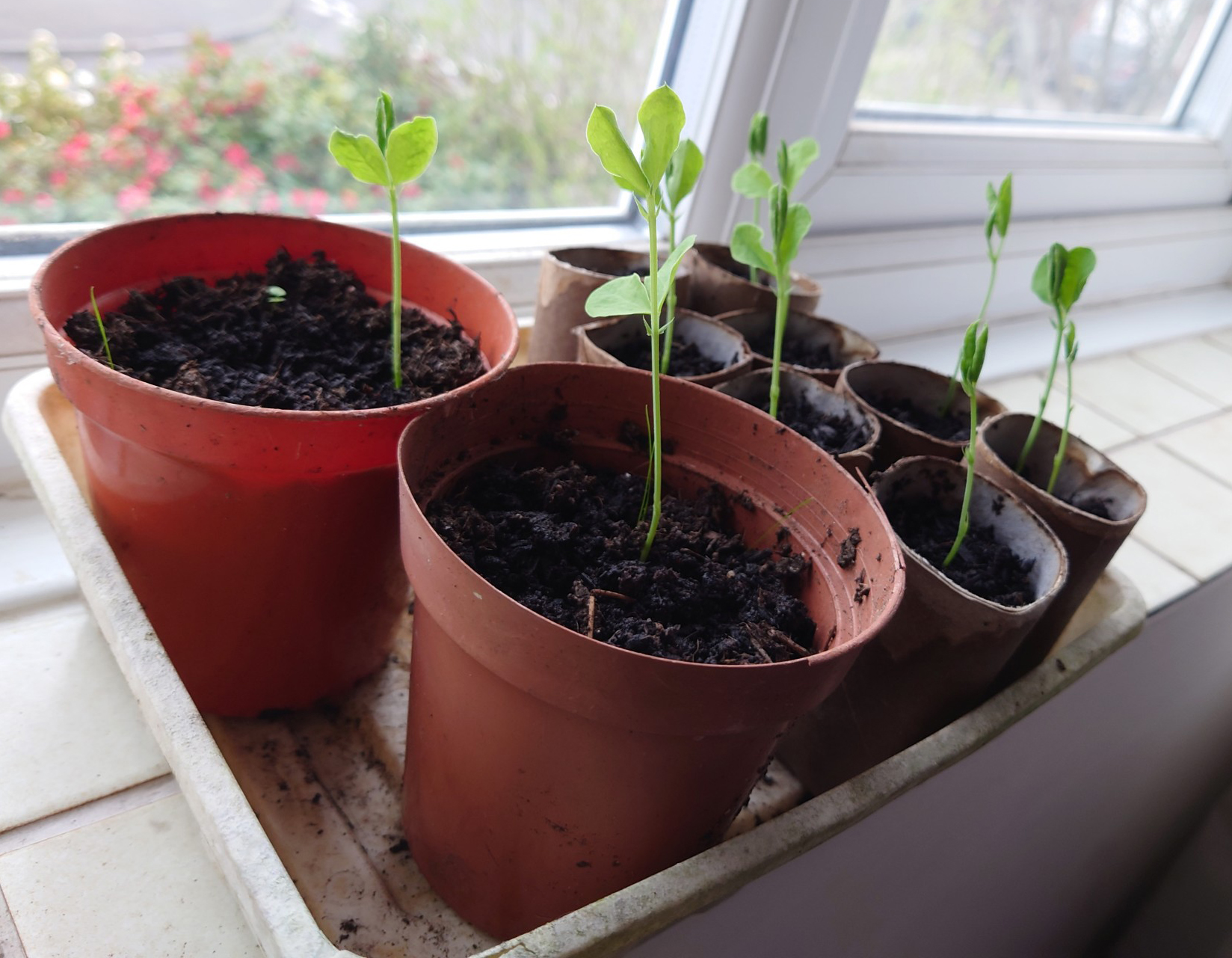
Sweet peas – very poor last year with maybe 10% germination. This year about 50% germination. All are growing well and I water once a week. They’ll go into the polytunnel soon. The sweet peas (above) are only a small sample of what I have grown. The pots had 3 – 4 seeds each pot so one plant each is not too bad.
In terms of the process I don’t think I’ve done anything very different this year so I do suspect that the better moisture retention in the compost has helped germination by keeping the seeds moist while producing critical early roots. So as far as I am concerned I will stick to my mix – next up are my peas. Broad beans did well and they are in the ground now.”
Brilliant Alan, that is so good to hear. Your seedlings are looking great and we reckon that tip of adding the home-made compost works. We noticed the same here compared to last year as well. We only added a smallish amount but it makes a difference. Cheers again Alan and do send us more pictures on how they do in the garden!
We popped down the compost heap with some tea bags and kitchen peelings this morning. Even in this freezing weather, it’s a chance to stretch the legs and see what’s happening in the garden.
There ain’t much going on at the moment so we decided to give the heap a turn with a garden fork, not sure if it’s the right thing to do at this time of year but fork it we did. The brandling worms are still at work and the decaying waste is looking good. Work never stops for the worms (unless perhaps a giant fork appears from above).
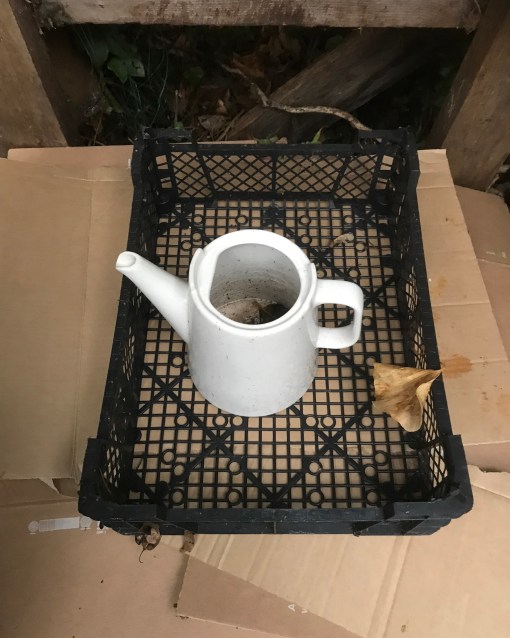
We felt sorry for the worms (who will just return to the heat of the lower part of the pile we hope) so we covered the heap with some sheets of cardboard and to hold them in place we stuck a plastic tray and a jug on top. There was no specific reason for the jug apart from it was the only thing we could get our hands on at the time. Perhaps we could start a new trend in the gardening mags of “household items on top of compost heaps”. You saw it here first!
While we were writing this piece we’ve had on the excellent new bandcamp set from Jah Wobble – The bus routes of south London. To say it’s good is an unstatement. It’s great that the 35 and 12 routes have been represented on here as they are ones we’ve been on often and in the direction stated. Two buses which weren’t featured on here are the P4 and P12, they are not bad buses when they do arrive but they certainly have their moments and we just don’t know how inspirational they’d be musicwise. 35 Towards Clapham Junction is our favourite tune at the moment and we’d love to know what the instrument/sample is at 3.30 on the track as it’s one mad sound especially when it goes up a pitch. Top stuff!
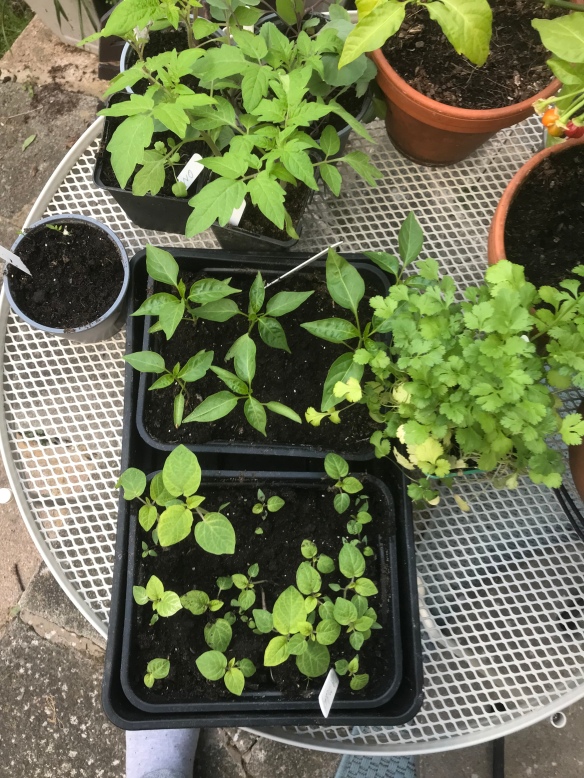
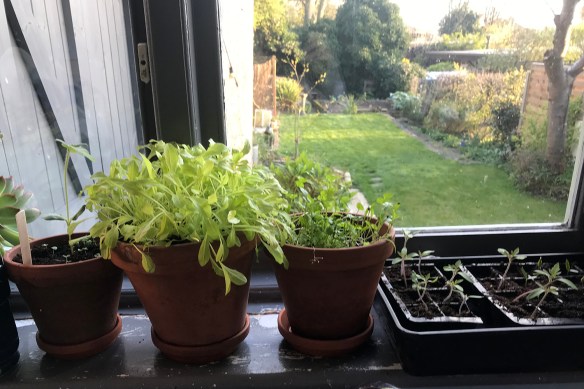
We hope you had a good Easter and all is well in the garden now that the good weather is upon us. We’d still advise to take it easy putting tender plants outdoors as you never know what the weather will be like and it’s still only April. We’ve been hardening offthe veg plants (pic below) by sticking them outdoors for most of the day to get them used to what it’s like out there in the real world.
The pond (top pic) has really woken up now with some frolicking frogs, the odd newt and goldfish sharing the space. The Lewisham pet shop bought water lily is starting to sprout and we welcome a new addition to the pond, some bare rooted stuck Watermint procured off ebay in an old chimney pot which was elsewhere and now submerged in its rightful place (above).
And we’ve gone right off the idea of the Dalek type compost bin as the old fashioned wood version is doing well and giving off some warmth from the grass clippings after a good old weekly mix using a garden fork.
And while we were writing this post we’ve been listening to the latest This is a music show as recorded by @DazDude4000. It’s a lot better quality this week. Enjoy the Bank Holiday!
The other week we cleared out some grass clippings and recent vegetation from out of the dalek compost bin and stuck it into the old fashioned “out in the elements” heap of old next to it. Up until a few days earlier the wooden frame was full of a few years worth of sticks and ivy that had never rotted down but we moved that into the local council’s garden refuse bin leaving the bottom of the dalek with a load of brandling worms chomping their way through some well rotted warm debris.
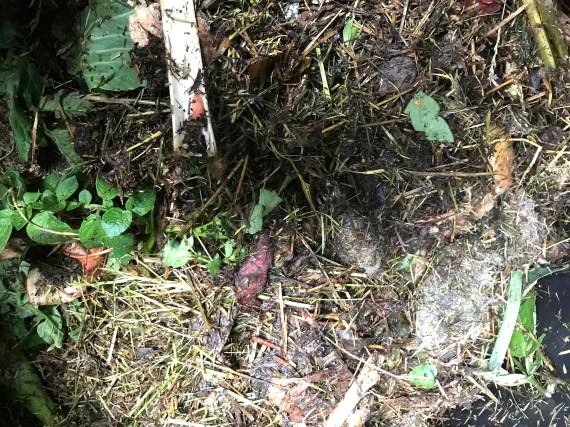
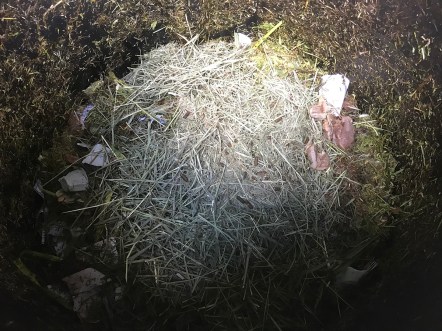
Well we looked in the “Open to the wilds of SE23” compost area today (we took off the once stylish now mouldy, bath mat cover first) and gave it a good fork over and it seems to be rotting much quicker than it was in the dalek, not sure if it’s the weather or just being outdoors but whatever it is, it’s working well (see above).
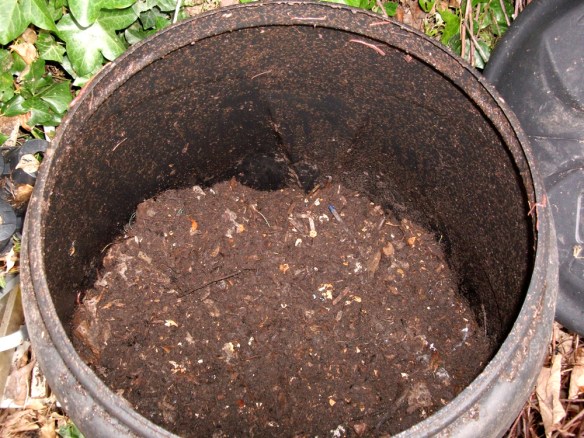
The quarter full darlek (above) is also doing well, there’s less brandling worms compared to last time we looked which means it’s on its way to maturing. Composting well is a bit of a science but it’s worth delving into (no pun intended) as your garden will thank you for it!
My gosh it’s baking today so this makes it “classic lockdown” weather like what we had at the beginning of the COVID-19 outbreak. A time when the only habit to worry about was taking single teabags down to the compost heap a few times daily. That was long before the daily trip down with a garden fork to give the dalek bin a mix took hold. Those were the days my friends…
And talking of friends we had one visit us yesterday evening (above) who perched on the bamboo cane supporting a tomato plant while we were sitting in the Dad corner giving it a bit of a Henry David Thoreau with a mug of tea.
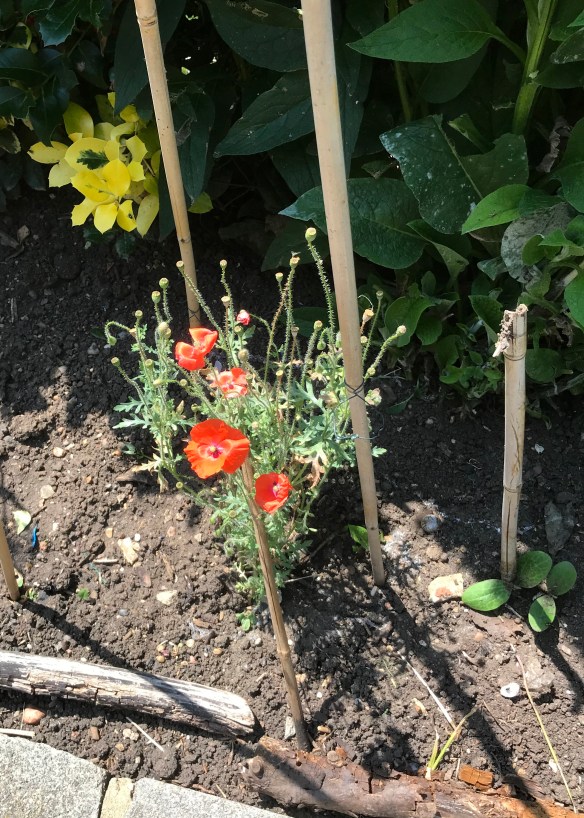
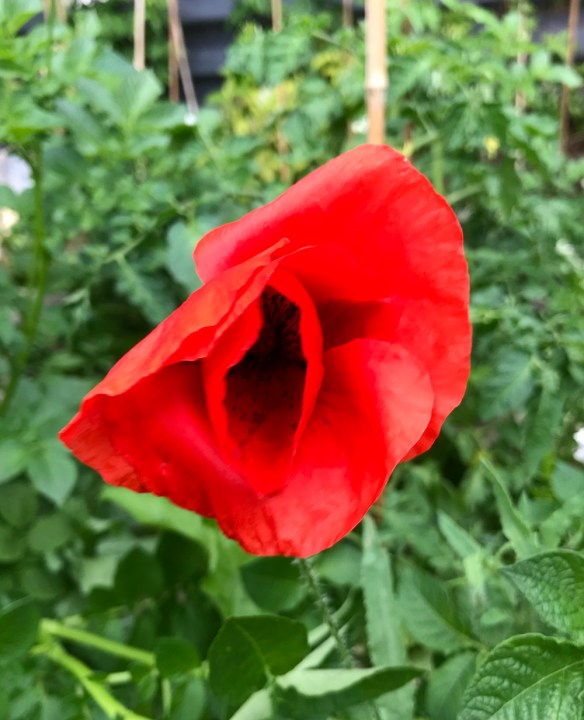
Oh yeah, the erratically sown poppies (below) don’t half appreciate being out in this heat unlike us at Weeds who prefer a bit of shade!
So to all those gardeners (and non-gardeners) in lockdown wherever you are in the world, hang on in there, do keep in the shade and enjoy the current spate of classic lockdown weather with a few reggae tunes.
And while we’re on the Keith Hudson production thing.
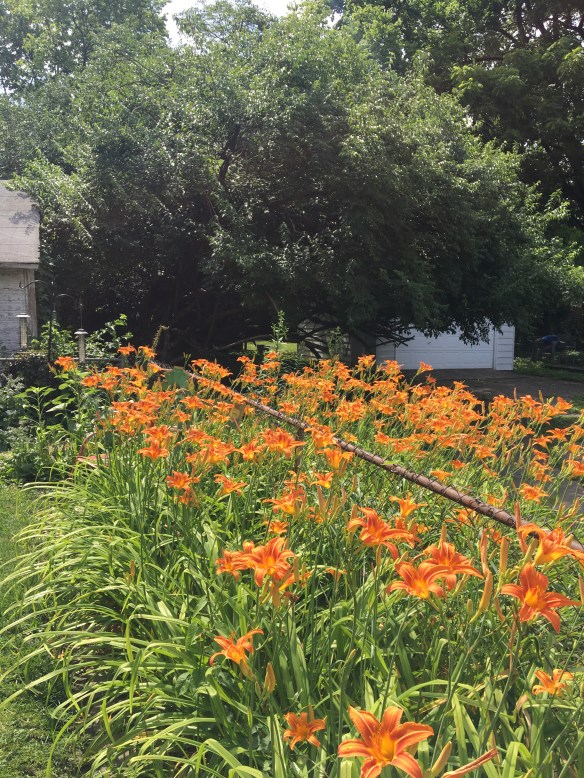
Thanks to our good friend across the pond Justin Patrick Moore for the sending us a photo update of his back garden. That’s what’s brilliant around this time of year, the garden seems to grow overnight and at a fair rate too. We all should really appreciate this time as autumn will be here before we know it. Above are the “Tiger Lilies gone wild” and below is entitled “When the Compost Takes on a Life of it’s Own” and we all know about that when we get those potato peelings and old onions sprouting! Is that a cucumber/courgette growing and are there a few mushrooms in there too?
And below a nice patch of borage that the bees love and the leaves are a good addition to comfrey if you’re making a liquid feed.
He also sent us a nice tune to accompany the pics from Anna Nacher & Marek Styczyński off the LP entitled Throbbing Plants (the title sounding very Genesis Breyer P-Orridge meets Percy Thrower.)
Thank you for the pics Justin. Please send your garden pics, no matter how small your garden is, even if it’s just a couple of pots on a windowsill, send them in! The address is onedeckpete (at) gmail.com we’d love to see your garden!
There is a downside to seed tapes we found out after buying a bargain assorted vegetable tape off ebay. Turns out the names of what seeds they are, are only at the beginning of the tape (not all the way through) and now we’ve sowed a few we have no idea what’s what except brussel sprouts. Who told us seed tapes were a good idea?
And after a couple of hours hard graft today the front wall (nearest the road) can now be seen, trouble is the mass of ivy on the top right of the picture is covering a piece of wall that isn’t there. We’ll get back to you tomorrow with our solution to the problem.
And the first delivery of guinea pig straw (with added roadent waste) was left on the garden fence in a plain carrier bag with no note but we had a vague idea what it was when we spied it. The contents have now been dumped into the heap and we will keep you updated on its progress. We’re an interesting lot aren’t we? Blame the lockdown.
It all started the other Saturday afternoon, we were in a shop in Forest Hill at the end of queue of people scrambling to buy some fresh fruit and veg. The woman in front of us was knocked back as she was trying to buy more than the regulation “Three potatoes per person” as stated on the hastily written felt-tipped sign on the wall. A thought came into our heads, what’s it going to be like in the next few months when it comes to buying fruit & veg? Will there be enough to go around and if so will they be affordable?
Apart from some onions and garlic which are overwintering, some packs of seeds left over from last year plus some from a recent ebay purchase we decided to see what else we could get, so another trip to Shannon’s was in order. We want to give a big shout to everyone there for their help, they’ve been great! When we were there they were well busy with everyone having the same idea as us to get seeds and plants in before the lockdown. They still had a good bit of stock left, so we bought a couple of big bags of compost, a large bag of seed spuds and a couple of packets of cut and come again lettuce. We know it’s early in the season and yes we’re taking a chance with the frost but the weeks will fly by and it’ll be summer before you know it, so we’ve started sowing now.
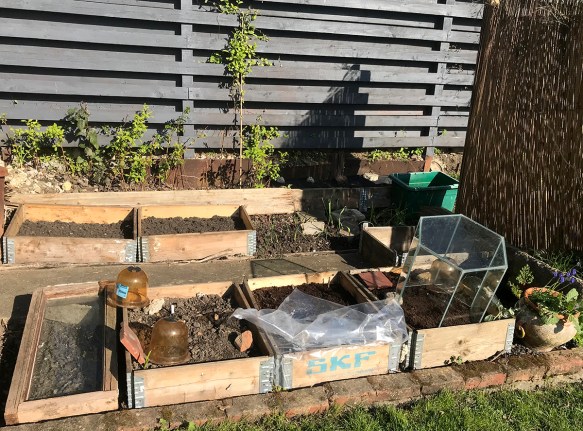
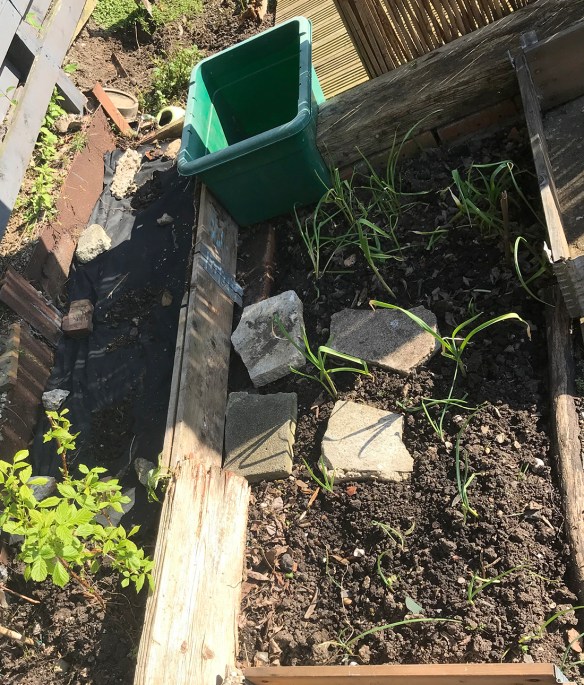
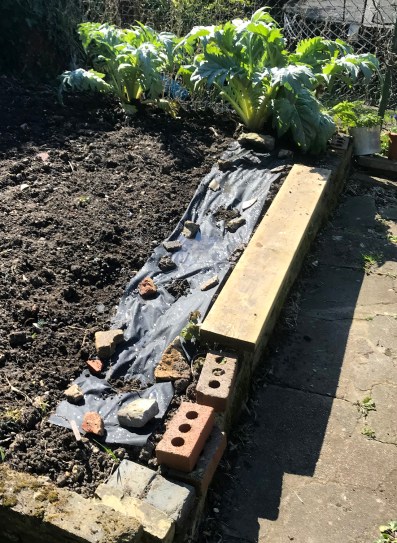
We’re working from home at the moment so we can now spend an extra hour daily (1-2pm) in the garden. As you can’t go out to get anything (and most places where you could are closed anyway) we’re utilising what we have stored away like the palettes we were given years ago now in use as raised beds and plastic cloches, window frames and the upside down terrarium thrown out for the binmen as frost protection. The latest thing is a roll of black material that was bought to put down before our decking was laid. It’s now in use as some sort of weed suppressant, frost protector come soil warmer for the early seed spuds that we put in. All we did was weigh it down with stones on top of the soil and cut an X in the material with an old bread knife and popped the spuds in. We put some soil on top of the hole that the spud will eventually grow through as extra protection. It’s a case of whatever we got, we’re going to use!
And it’s only been a month that we sowed those cut and come again lettuces we got free with the Kitchen Garden Magazine (post here) on the back windowsill and they’re well on the way to start eating! The tomatoes and pepper seedlings are growing too. The sooner you sow the sooner they’ll be ready to eat but remember to protect against those frosts!
Here’s 900 words from us at Weeds for“a forthcoming project”. When it comes to composting, in the words of the Desperate Bicycles, it was easy, it was cheap. GO AND DO IT!
One of the best things you can do as a gardener – especially one on a budget – is to make your own compost and, contrary to popular belief, it’s easy to do. It’s an inexpensive way of putting goodness back into your garden, especially if you don’t regularly feed your soil.
It is one of the finest soil improvers there is; it can be forked in, left on top of the earth for the worms to work in or even made into a tea and applied as a liquid. Adding compost provides a slow-release supply of nutrients and elements, feeding plants over a long period of time. It adds structure to the soil, helps to retain its moisture and feeds the worms and micro-organisms, keeping the ground in good shape. A great exchange for recycling some home waste.
Some gardeners seem to be put off making compost, thinking it will smell to high heaven, attract all sort of vermin or fear they will be left with a pile of garden waste that will never rot. I was one of those people but have been converted to compost production after learning the hard way; I’ve opened the lid of the bin to receive a faceful of fruit flies (always open the lid away from you!), came face to face with a rather large roadent happily napping on top of the heap and have only recently disposed of my first attempt that had been sitting around for years consisting of sticks and prunings wider than the thickness of my finger.
When you compost, fungi and aerobic bacteria initially eat the waste matter in the pile – the carbon and nitrogen content a source of their energy and protein – creating carbon dioxide and heat. When the pile cools, worms – alongside varying insects – reduce it further by eating what is left and pass it through their guts. Soil organisms then break it down again and ripen the material turning it into compost.
There are lots of structures on the market for composting but many are not an option for a gardener doing it on the cheap, though local councils supply plastic Dalek-shaped bins free as part of their recycling campaigns. These keep the rotting waste in and unwanted vermin out but because of their size can be difficult to mix (something you should do regularly to add air, a component needed in the process).
A composting container can be made out of wood – the classic square-shaped enclosure with a top to shield off the rain – or although not aesthetically pleasing, the waste can be just left to rot in a pile (which will probably not please the neighbours). Whatever method you use, it should be placed somewhere easy to get to, possibly screened from view and preferably in a position where it will get some sunlight which will add heat to the pile helping it to rot. In an ideal situation you would have two (or more) bins on the go, one started the year previously now yielding compost and the other for putting recent waste in.
The ingredients used in composting are “greens” (ones containing nitrogen) and “browns” (carbon) combined with water and air. Examples of “greens” include: grass clippings (applied sparingly as they turn to a smelly mush if used too thickly), plant waste (no flowering weeds or diseased material) and kitchen waste (vegetable peelings, ripped-open teabags and over-ripe fruit). The “browns”: cardboard, ripped or scrunched-up newspaper and small twigs (nothing larger than 1/4” unless put through a shredder). Cooked foods, fats and meats should be avoided at all costs unless you want to attract vermin and be very wary of putting salad leaves from left-over meals if meat has been on the same plate too. This is possibly where I went wrong which attracted the sleeping visitor to my pile thus giving me a fright in the process so be extra careful with what you add. No matter how prudent I am though when filling the bin I still manage to find when the compost has matured some strange stuff: the odd ballpoint pen, elastic band and on one ocassion a plastic Dr Who sonic screwdriver, usually prompting me to say “How did THAT get in there?”
Most important is to get the balance of ingredients right. It does vary depending on what gardening books you read or which gardening guru you follow but a 50/50 ratio of “greens” and “browns” will suffice. You simply add layers of material – ideally alternating “greens” and “browns” – one to two inches deep, interspersed with a light layer of soil every so often. Turning the pile regularly using a garden fork makes sure that it doesn’t get compacted and that air can circulate freely. If the compost looks too wet, smells foul or attracts fruit flies this indicates there’s too much “green” material, so more “browns” should be added. If the pile has dried out – especially during the summer – more “green” material and a little water will correct it. Worms should come naturally to your heap – especially the red brandling ones – but if you want to add more, lay down some wet cardboard in your garden and in a week you should have a few on the underside to put in the pile. Don’t worry they will multiply!
Depending on how much heat is generated in the heap and how balanced the materials are, you should be the proud owner of home-made compost in around a year. If you want to speed up the process there are compost activators – basically extra nitrogen – on sale at garden centres, but this can be done for free by adding nettle, comfrey and borage leaves which will in turn add more varied nutrients to the finished product. Another activator is human urine, best applied out of a plastic bottle for obvious reasons.
You will know when your compost has fully matured when it has a crumbly texture, an earthy smell and looks as described in an old gardening book,“rich like a Christmas fruit cake”. This pile of gardening goodness is now ready to be applied to your soil.
There’ll be times when things won’t seem to go right with your compost heap but once you get it correct and see the results you get from using it, you won’t want to look back. Your garden will thank you for it in kind and you will soon be growing the healthiest looking flowers, fruit and vegetables and will never yearn for pay-through-the-nose-farmers-market-produce ever again. You will then realise why home-made compost is known in the gardening world as “black gold”.
It’s been too cold this week to do any gardening but the Sunday before last I cleared out one of the compost bins (supplied free from Lewisham Council) and got three barrows worth of rich looking humus. Over the last year I’ve tried to be very careful what I put in the bin but I still found a blue biro, gardening wire, green plastic plant tags, chocolate wrappers and a couple of crisp packets! I have now a old plant pot down there as a rubbish container for those “I can’t see a bin so I’ll hoof it in with the compost when no one’s looking” moments!
I spread the muck over a couple of beds where this year I’ll be be sticking in vegetables that’ll benefit from the richness of the soil like potatoes and courgettes. I also have to consider what’s been in the beds previously as you can’t have the same (or related) plants growing in the same area year after year. If so the plants would will drain nutrients making the soil unbalanced, and also leave it open to pests and diseases which in turn would infect the plants. You use something called crop rotation to counteract this, which is in it’s simplest form is putting vegetables into specific groups and rotating these groups one season after another in your plot/beds. More on crop rotation to come.
Also this week while bringing one of our cats to the vets in New Cross I passed a woman struggling with two very large plastic plant pots (nearly 4 foot wide and probably the same height) on a crossbar of a pushbike. It turns out the pots were being thrown out on a building site. She told me she was going to use them for spuds, but if you saw the size of them a couple of small fruit trees would fit in them!
Do remember those free seed tokens in the Daily Mirror this week. I’ll be bribing roadsweepers, newsagents and train cleaners to try and get some extra tokens. Keep em peeled!

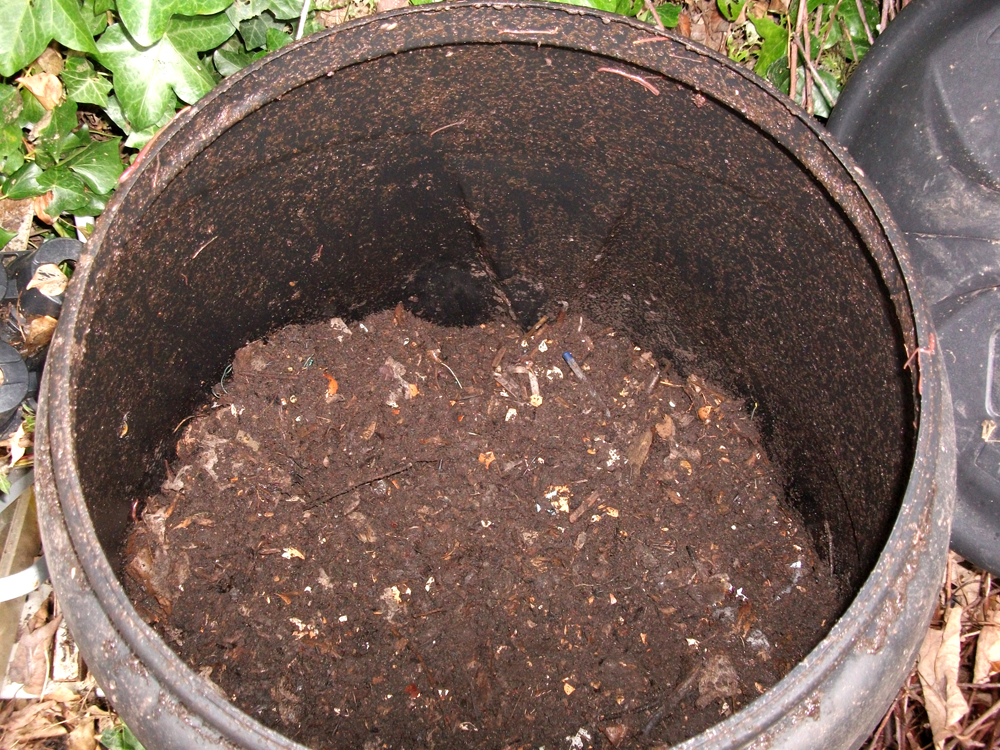 Pic – Compost in a compost heap.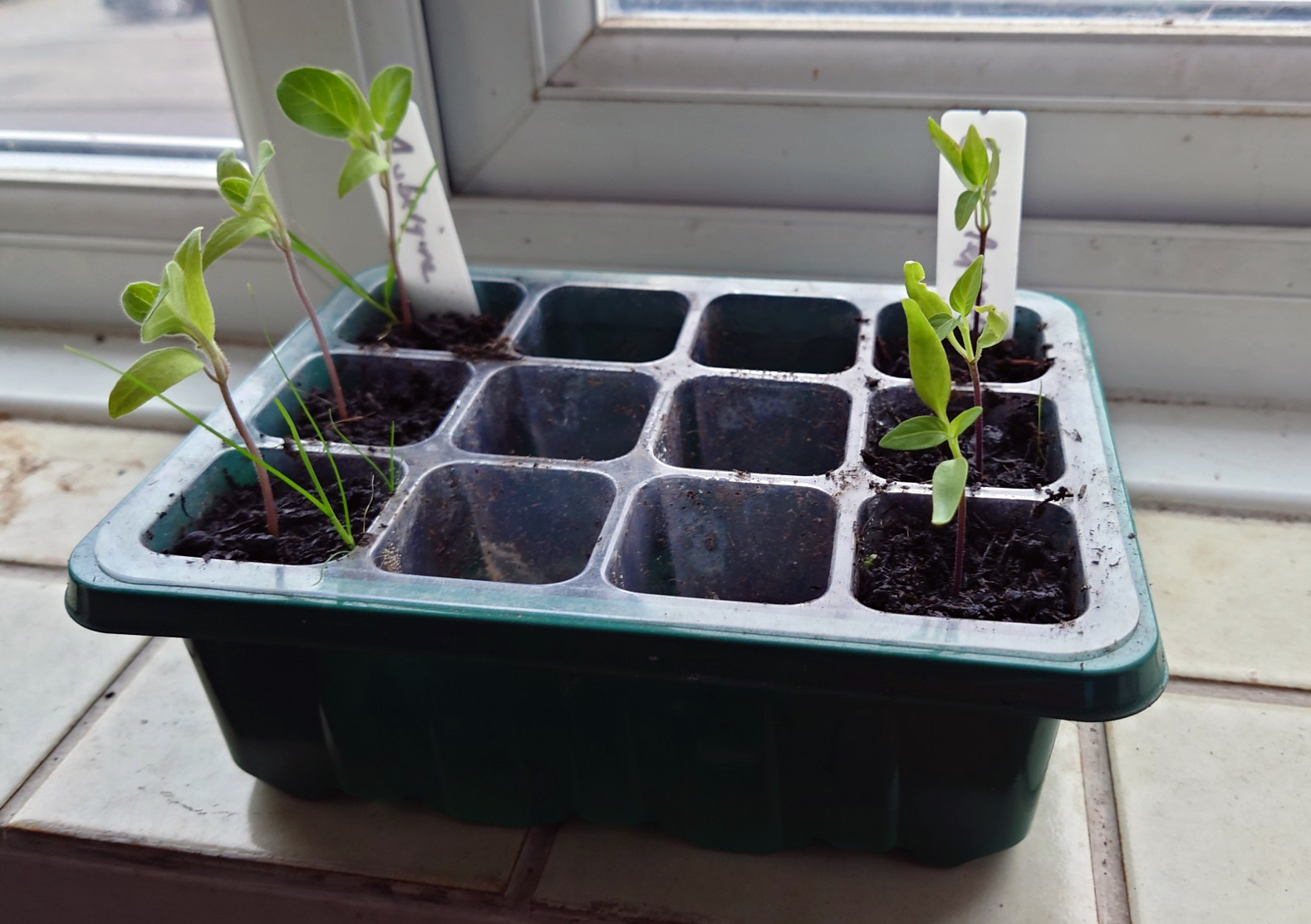





 My gosh it’s baking today so this makes it “classic lockdown” weather like what we had at the beginning of the COVID-19 outbreak. A time when the only habit to worry about was taking single teabags down to the compost heap a few times daily. That was long before the daily trip down with a garden fork to give the dalek bin a mix took hold. Those were the days my friends…

 Thanks to our good friend across the pond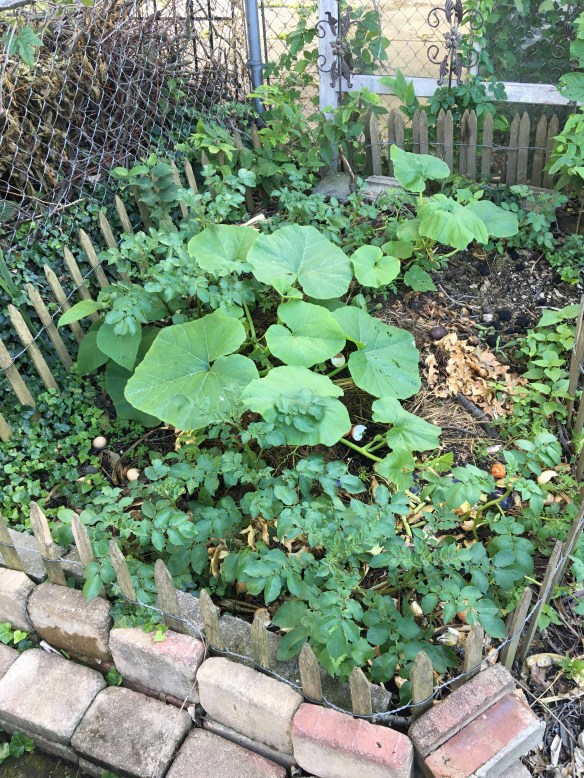

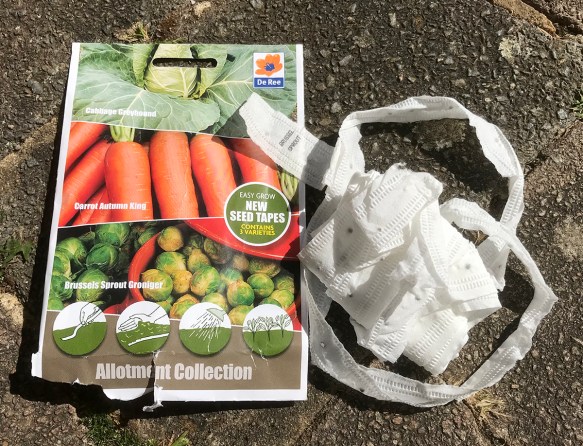 There is a downside to seed tapes we found out after buying a bargain assorted vegetable tape off ebay. Turns out the names of what seeds they are, are only at the beginning of the tape (not all the way through) and now we’ve sowed a few we have no idea what’s what except brussel sprouts. Who told us seed tapes were a good idea?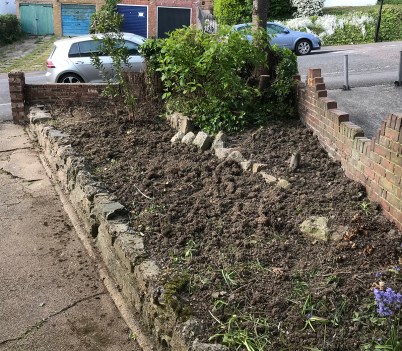

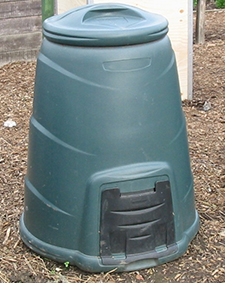 There are lots of structures on the market for composting but many are not an option for a gardener doing it on the cheap, though local councils supply plastic Dalek-shaped bins free as part of their recycling campaigns. These keep the rotting waste in and unwanted vermin out but because of their size can be difficult to mix (something you should do regularly to add air, a component needed in the process).
 A composting container can be made out of wood – the classic square-shaped enclosure with a top to shield off the rain – or although not aesthetically pleasing, the waste can be just left to rot in a pile (which will probably not please the neighbours). Whatever method you use, it should be placed somewhere easy to get to, possibly screened from view and preferably in a position where it will get some sunlight which will add heat to the pile helping it to rot. In an ideal situation you would have two (or more) bins on the go, one started the year previously now yielding compost and the other for putting recent waste in.


 Weeds up to me knees