An oldie from last year (but still a goodie) to play to those overwintering plants! Unknown Artist – Kultra 1 (Mark E)

An oldie from last year (but still a goodie) to play to those overwintering plants! Unknown Artist – Kultra 1 (Mark E)
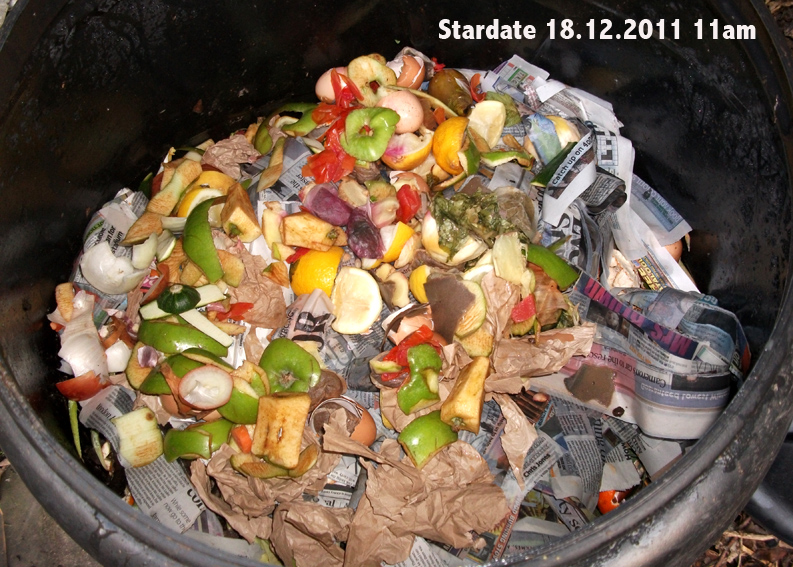 There was a frost this morning and mighty cold out, but I still managed to have a look at my third attempt of a compost bin. A fortnight ago it was filled to about three quarters of a way up with alternate layers of “green” and “brown” material but today when I lifted the lid, it’s gone down to about a third. It looks like things are happening even in this temperature. Today I threw in some veg peelings, ripped up sunday papers, a couple of cardboard middles of loo roll and some leaves, the same sort of material as usual. The neighbours must have thought I was mad taking snaps of it all.
The other attempt of a heap is going great guns too, after throwing in more “browns” and giving it a good turn with a garden fork a fortnight ago after it went slushy and smelly. I lifted off the top and it looked a rich brown colour and the number of writhing worms which were there have lessened, a sign that the thing is finally on it’s way!
I heard last week citrus peelings are a bit of a “no, no” to stick on the heap. I’ve looked for info and found conflicting reports. Any ideas as I throw in a few lemons over a week and really would like to get it right this time. Rot on!
Vinnie Riley’s musical project before he went a bit more “jokey”.
 In the days before the council introduced “wet money”, a couple of extra quid a month to work in all weathers, the rule was you didn’t work in the rain (“It’s a health and safety issue, ain’t it guv”). So at the first sign of grey clouds or even someone walking past in a raincoat, we would stop what we were doing, look up to the sky and put our hands out to see if we could feel rain and if we did, would make our way up to the shed for a few hours of tea drinking.
The hard and fast rule was if three cars passed consecutively with their windscreen wipers on, it was officially raining so we could stop work. How mad is that?
 As the garden is starting to wind down for the year, now is an ideal time to give it a bit of a spruce-up which will give you a head start when things liven up again in the spring.
I’ve raked up the last lot of leaves, bagged up some for leaf mould and stuck a few in the compost bin to add some “brown” to the kitchen peelings, tidied over the beds and generally made the garden look a bit more presentable.
If you’ve anything in pots that needs protecting from the frost and snow move them into the shed, conservatory or greenhouse (if you are lucky to own one). If the pots are too big to move, stick some bubble wrap around the bottom to keep them from cracking. With plants you can’t move, protect them with some horticultural fleece or net curtains (a cheap alternative from the second hand shop or skip). A good layer of mulch around plants will keep the soil frost free and keep the moisture in. Cold frames and cloches come in well handy this time of year too. I sowed some overwintering Carrot and Lettuce seeds well late so have stuck a couple of mini cloches over them and hoping for the best.
Now is also a good time to plan what you want to grow next year. Make a list of what you fancy and have a look through the seed catalogues/on the web and see if there’s varieties suitable for your garden and climate. I’ve already ordered a few packets of seeds and they are now in my scottish shortbread tin, so by January I’ll be itching to start them off in trays on the kitchen windowsill (to the detriment of the paintwork which I have to redo every year!)
So like with anything else, a little bit of preparation and forward planning comes in handy with this gardening lark.
Two tunes to have on while checking out the seed catalogues on the cold nights to come.
Mustang – Nebula
Hollie Cook – Shadow Kissing
 I spent a couple of hours in the back garden today dodging the old boy next door (he wants me to cut back my apples trees) and started my third attempt at a compost heap. With two behind me, one woody and as dry as a bone, the other formerly a smelly slush but since adding more “brown” material, it’s now on its way, I’m making sure I go by the book with this one.
In the new year I’ll be attending the composting course at walworth garden farm for pointers in the right direction but in the meantime, no twigs or woody material, getting the right mix of “greens” and “browns” and adding the material in two inch layers into the free plastic bin I got off the council.
It was filled to about three quarters of the way full with layers of shredded newspapers, kitchen peelings, leaves, nettles, a few handfuls of rotting material with writhing worms from the other heap and a unmentionable liquid to start it all off. Fingers crossed!
There will be irregular updates of how it’s getting on.
One thing I’ve learnt over the last few years being broke, is to make the most of what you’ve got and to reuse as much as possible. Bob Flowerdew, gardener’s question time panelist and recycler to the max, always comes out with brilliant ideas, reusing something ordinary in an unusual way that’ll benefit his garden, from old fridges as cold frames, knackered radiators as garden paths and thin strips from old venetian blinds as plant labels. Inventive eh?
Being broke shouldn’t stop you gardening, if anything it should inspire you to be more creative with whatever material comes to hand. I compost my garden/kitchen waste, collect autumn leaves and make leaf mould, reuse all plant pots after giving them a good clean and save all my bamboo canes for next years runner beans like everybody else does but here’s a few more ideas:
The list is endless and the above is only a start. If you have any good recycling ideas post them up here as I love a good gardening tip like anyone else!
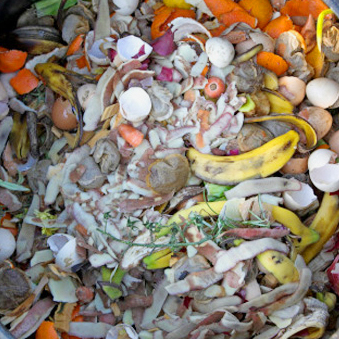 Talking about compost, there’s a free composting course next month (and in the new year) at the Walworth Garden Farm with Scarlett Cannon.
On the course you’ll learn about compost making with a focus on worm composting as this is best suited to those living in an urban environment where growing space may be extremely limited. Sounds well up our street!
Go to
http://www.walworthgardenfarm.org.uk/introduction-gardening for dates and more details, including how to book.
Thanks to Scarlett for letting us know about the course.
 One of the best things you can do for your garden is to make a compost heap. It’s a brilliant way of putting something back into the earth for next to nothing!
When you add compost you’re not just improving the soil, you’re supplying plants with nutrients and elements, helping retain moisture in the ground and encouraging wildlife into your garden who will enjoy the warmth and protection of the heap. How good is that just for recycling your kitchen peelings!
A simple compost bin can be made from wood (the classic slatted version that you can add height to as the heap progresses), bricks and old carpet (definitely one to be kept out of view as even good quality Axminster will look crap after a few months outdoors!) There’s also the black plastic darlek type which some councils supply for free as part of their recycling package.
It’s best to keep the heap somewhere you can get to it easily, possibly screened off but in a sunny position as that will help add heat to the pile. Ideally you’d have two bins, one started the year or so previously which you will be using now and one that’s in the process of rotting down.
When filling the bin, put the various ingredients in layers of two or three inches deep to stop it turning into a big slushy mess which can happen when masses of lawn clippings are added. You can always add a thin layer of soil every now and again to help it along too. Turning with a fork every few months will benefit the pile, making sure it is not too compact so that air can circulate throughout it which ensures it rots down easier. Also check that the heap doesn’t dry out in the summer as moisture is also needed too.
To start off the rotting process you can use nettles, comfrey leaves and even human urine (better out of a pre-filled bottle I reckon, or your neighbours will be on the phone to the police!). As the material decomposes, the pile will start to create heat, so why not do like they did in victorian times and make a hot bed? It’s a compost heap with a raised bed on top which is kept warm from the rotting material below. Failing that if it’s in full sunlight, stick a courgette or a cucumber plant on the top of the heap which will thrive with the richness underneath.
What to add:
Shredded paper/newspaper (no glossy mags)
Used tea bags
Eggshells
Coffee grindings (free from coffee shops)
Autumn leaves (no evergreens)
Garden waste and clippings (softwood prunings, nothing too thick or woody or use a garden shedder on them)
Annual weeds that haven’t set seed
Old bedding plants
Overripe fruit and veg peelings (no cooked food or meat which will encourage vermin)
Nettles and comfrey leaves (which will help the composting process no end)
Dead flowers
Grass clippings
What not to add:
Perennial weeds, bindweed and ivy which can re-sprout from their roots or stems
Sawdust
Pet waste
Diseased plants (burn them alongside the woody prunings if you can’t afford that shredder)
One tip is don’t stick in woody stems like I did, as a couple of years on I am still pulling out sticks, so be warned! Also once you’ve got a heap in progress, get into the habit of sticking your peelings into a closable container in the kitchen which you’ll later transfer to the heap.
I’m fighting with my pile at the moment as it’s a bit wet and smelly, so I’ll be leaving out the “green” material and adding more “browns” like shredded newspaper and leaves etc. Composting might be an art form but when you get it right, it’s well worth it!
Happy composting, my friend!
 I was having a look at Scarlett Cannon’s excellent blog http://heavenlyhealer.blogspot.com/ and came across in her links, a great site of record sleeve art called record envelope http://crossedcombs.typepad.com/recordenvelope/ which led me to pull out one of my favourite reggae 7″ sleeves made out of a Jamaican Gold Seal margarine box, a great example of reggae recycling!
And if you love Reggae you’ll love http://www.iancauser.plus.com/jamaicanlabelart/
 Weeds up to me knees