Free composting course!

Talking about compost, there’s a free composting course next month (and in the new year) at the Walworth Garden Farm with Scarlett Cannon.

On the course you’ll learn about compost making with a focus on worm composting as this is best suited to those living in an urban environment where growing space may be extremely limited. Sounds well up our street!

Go to
http://www.walworthgardenfarm.org.uk/introduction-gardening
for dates and more details, including how to book.

Thanks to Scarlett for letting us know about the course.

Are you ready to rot?

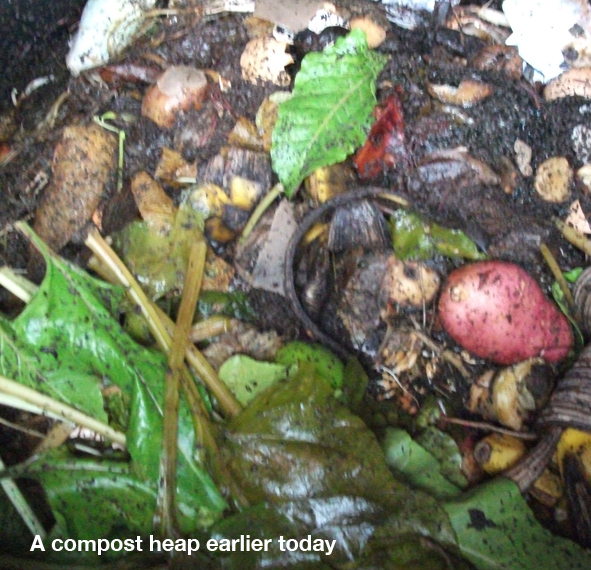
One of the best things you can do for your garden is to make a compost heap. It’s a brilliant way of putting something back into the earth for next to nothing!

When you add compost you’re not just improving the soil, you’re supplying plants with nutrients and elements, helping retain moisture in the ground and encouraging wildlife into your garden who will enjoy the warmth and protection of the heap. How good is that just for recycling your kitchen peelings!

A simple compost bin can be made from wood (the classic slatted version that you can add height to as the heap progresses), bricks and old carpet (definitely one to be kept out of view as even good quality Axminster will look crap after a few months outdoors!) There’s also the black plastic darlek type which some councils supply for free as part of their recycling package.

It’s best to keep the heap somewhere you can get to it easily, possibly screened off but in a sunny position as that will help add heat to the pile. Ideally you’d have two bins, one started the year or so previously which you will be using now and one that’s in the process of rotting down.

When filling the bin, put the various ingredients in layers of two or three inches deep to stop it turning into a big slushy mess which can happen when masses of lawn clippings are added. You can always add a thin layer of soil every now and again to help it along too. Turning with a fork every few months will benefit the pile, making sure it is not too compact so that air can circulate throughout it which ensures it rots down easier. Also check that the heap doesn’t dry out in the summer as moisture is also needed too.

To start off the rotting process you can use nettles, comfrey leaves and even human urine (better out of a pre-filled bottle I reckon, or your neighbours will be on the phone to the police!). As the material decomposes, the pile will start to create heat, so why not do like they did in victorian times and make a hot bed? It’s a compost heap with a raised bed on top which is kept warm from the rotting material below. Failing that if it’s in full sunlight, stick a courgette or a cucumber plant on the top of the heap which will thrive with the richness underneath.

What to add:
Shredded paper/newspaper (no glossy mags)
Used tea bags
Eggshells
Coffee grindings (free from coffee shops)
Autumn leaves (no evergreens)
Garden waste and clippings (softwood prunings, nothing too thick or woody or use a garden shedder on them)
Annual weeds that haven’t set seed
Old bedding plants
Overripe fruit and veg peelings (no cooked food or meat which will encourage vermin)
Nettles and comfrey leaves (which will help the composting process no end)
Dead flowers
Grass clippings

What not to add:
Perennial weeds, bindweed and ivy which can re-sprout from their roots or stems
Sawdust
Pet waste
Diseased plants (burn them alongside the woody prunings if you can’t afford that shredder)

One tip is don’t stick in woody stems like I did, as a couple of years on I am still pulling out sticks, so be warned! Also once you’ve got a heap in progress, get into the habit of sticking your peelings into a closable container in the kitchen which you’ll later transfer to the heap.

I’m fighting with my pile at the moment as it’s a bit wet and smelly, so I’ll be leaving out the “green” material and adding more “browns” like shredded newspaper and leaves etc. Composting might be an art form but when you get it right, it’s well worth it!

Happy composting, my friend!

Gardening is my occupation

I was having a look at Scarlett Cannon’s excellent blog http://heavenlyhealer.blogspot.com/ and came across in her links, a great site of record sleeve art called record envelope http://crossedcombs.typepad.com/recordenvelope/ which led me to pull out one of my favourite reggae 7″ sleeves made out of a Jamaican Gold Seal margarine box, a great example of reggae recycling!

And if you love Reggae you’ll love http://www.iancauser.plus.com/jamaicanlabelart/

These boots are made for working…

If there’s ever been any regrets in my life, the biggest one was getting rid of my steel toe-capped boots when I left the council, thinking I’d never use them again after studying graphic design.

I loved those old boots. They were black and had never been polished so were well scuffed and at the front, the leather was so worn away about a quarter of the “steelie” was showing through. They’ve been ran over by my lawnmower, took many a flying brick from the whizzing mower blades and had lots of incidents with misplaced garden forks and spades, so had a “used” look to them. You could have definitely worn them to a Cramps gig!

The downside was that they were freezing when you put them on on a cold winter’s morning, stunk like high heaven mid-summer and were heavy like lead after digging on a wet day with all that London clay stuck to them.

Todays workers have never had it so good, as nowadays the style of protective steel capped footwear are limitless, from beige CAT builder’s boots, backless ladies moccasins and trainees but years ago there was only one style, the Totector boot only available in two colours, black or dark brown. They should be a design classic and be on show at the national museum of gardening alongside a donkey jacket as an example of ancient council workwear.

What’s your favourite gardening footwear? Do let us know and photo’s please!

Leaf it out, John

If you want to make yourself a great soil conditioner without spending anything (something that really appeals to me) and simply recycle what nature gives you, rake or sweep up all the dead leaves you can find in the garden (nothing evergreen, such as holly, laurel or conifers), stick them in plastic bin bags and slightly dampen them if they are not moist already. Put the bags in a corner and forget about them for about a year or two and you then should get some great “leaf mould” that’ll perk up your soil no end. It takes hardly any effort as nature does most of the work for you. And all for the cost of a bin bag.

When working for the council, the leaves used to be a constant pain in the autumn, the endless raking, sweeping and bagging up, only to come back the next day to more of the same. I had a mate, a park keeper who’d tell me he’d never had hassle with leaves and one day told me his secret. What he’d do is, use a leaf blower to blast them through the railings of the park into the road for the poor old roadsweeper to collect and bag up. Council workers eh?

Save “On The Wire”!

A couple of weeks ago on the show, Steve Barker mentioned that the BBC will be soon be making cuts in their “drive for quality” initiative. It looks like they are thinking of replacing all local radio programmes in the evening sometime between now and April 2013. This will effectively cut all specialist shows over the whole of the BBC local radio network including On The Wire on Radio Lanchashire which has been running for over 25 years playing the best in reggae and left of centre gear. This is a cracking show which will sorely be missed if the blinking BBC have their way!

The proposals are subject to public consultation by the BBC trust. So fire off a letter now to Lord Patten, Chairman, BBC Trust, 180 Great Portland Street, London W1W 5QZ and tell him you disagree with the BBC’s initiative or go to http://www.bbc.co.uk/bbctrust and look for the “consultation” button

Respect due to Steve Barker, Fenny and Jim.
Keep up the good work and don’t let the beeb trust grind your down!

Have a listen http://otwradio.blogspot.com/ and you won’t be disappointed!!

That’s a lovely box

When I was younger, I used to think men who kept screws and nails in tins with labels like “3/4 inch self-tapping” and “flat countersunk heads” were boring old gits who had no mates and spent far too much time on their own in garden sheds.

It’s funny as I get older, I’m liking putting things into tins and boxes. I’ve got plastic garden ties in a jam jar, used garden wire in another and my seed collection is split into “veg” in a lovely oval Scottish shortbread tin and “flowers” in a Persil non-bio plastic container. Those who don’t remember the past are condemned to repeat it, eh?

Thinking about boxes, when we were kids at Christmas my mum used to buy a big tin of Family Circle biscuits as a treat. Rather than let us all dip in and take all the best ones, there was a rule in our house that we could only had “two plain and one fancy” per sitting. Under the plain category were Rich Tea and the like, with fancy being Bourbon and above. The pinnacle of the biscuits would be the chocolate coated ones in coloured foil which you’d only get five per tin. The youth of today have never had it so good, bring back national service etc.

What’s your favourite box or tin? Do let us know.

Beware of the flowers

(and the Rottweiler, whose sure gonna get you, yeah!)

I woke up this morning after having a dream that I had to write a speech for Bruce Forsyth but I couldn’t get any further than the “nice to see you, to see you nice” part. Not good, anyway I digress.

So you’ve got the garden, the tools and the seeds, now you’re ready to roll. Traditionally you sow the seed indoors or under glass in the spring, plant out after the frosts, weed and feed throughout the summer and harvest from late summer to autumn. As it’s at the end of the growing season, now is the best time to get the plot prepared before the winter, which will give you a head start for next year.

The secret to gardening is “little and often” and only take on a little bit at a time. So if you’ve inherited a large plot, just cordon off a small area and start on that (the other parts can be covered with sheets of black plastic to slow down the weed growth).

When we first moved into our house, the place was in a terrible state, including a rottweiler flap (aka a big hole) kicked out of the back door. The  garden had not been touched for about twelve years and it took us a week to realise we even had a pond at the bottom of it!

The first night we sat outside our back door having a drink with a good mate of ours hearing all sorts of movement in the the towering undergrowth in front of us, after ten minutes deciding to go back indoors as it was too mental! I even ruined a brand new flymo the first time I tried to cut the lawn, constantly ducking while old wooden clothes pegs whizzed past my head and finally smashing the blades on a half-submerged kid’s bike (I didn’t tell customer services that when ringing in for the replacement part!).

It took us about three years to get some sort of normality in the garden as we’d been busy doing other work on the house and it’s still a work in progress. So I’ve learnt to take it nice and easy as life is not like 60 minute make-over.

The first thing to do is to clear the area of brambles and woody debris which can be burnt later on. Use a good pair of secateurs, council-worker type gardening gloves and a spade and get out all the roots. Then start clearing all the weeds, don’t use a rotavator as new weeds will grow from the roots if you divide them. If you are going to do it organically without weedkiller, you will have to dig out out all weeds and their roots by hand and that will take time. Get rid of any builders rubble, bricks and large stones as you go along and then use a fork to break up all the soil. To get the best possible conditions for your veg, get a soil testing kit (from your local garden centre or the internet) and see if any adjustments have to be made to the soil (more in a later post). Finally fork in some good organic material, ideally rotted down compost, leaf mould or make a compost trench with a layer of vegetable peelings, old newspapers, straw, grass clippings, etc to rot down in situ.

A bonus to any garden is a compost bin which can be made out of wood, old carpet or try your local council who might have a free composting bin scheme. Making your own compost is easy to do, great for the environment and encourages wildlife. You can throw in all your vegetable peelings, old flowers, tea bags, coffee grindings, lawn clippings, eggshells even thin prunings if they’re not too woody.

If your soil is really poor how about making a raised bed, made out of scaffolding boards, stone, railway sleepers or any timber and they can be filled with decent compost and you can tailor make the soil to the plants you want to grow in them. They can be at a good height if you hate all that bending and they need less maintenance, which is a bonus.

So prepare the soil now (and do it as thoroughly as possible as those weeds will come back to haunt you!) and keep an eye on the bed over the coming months and knock off any weeds wtih a hoe, which might try to come through and you’ll save yourself a bit of effort in the spring.

Saturday down the Walworth

Yesterday I attended a great “growing and using herbs” gardening course at the Walworth Garden Farm in SE17. The cost was an amazing zilch and I even took home a planter of Lemon Thyme, Chocolate and Apple Mint and Sorrel alongside lots of great tips and handy gardening hints. The teacher was excellent and catered for the beginner and intermediate gardener alike. It’s brill that there are courses like this around.

Lunchtime was spent down the Walworth Road (re-living the late 1980’s when I used to attend the London College of Printing) popping into Arif’s bakery for a potato & spinach pasty and an eccles cake, watching the aggressive queues at the cashpoints then followed by fighting with the older generation with their shopping trolley’s in Somerfield. Back at the farm in the afternoon, we spent learning about the uses of herbs and then choosing a selection to put into a planter.

If you are in London I would definitely have a look at the courses there (Gardening as well as Beekeeping) as I can’t praise this course highly enough! If you do live outside of the capital have a look around as there has got to be courses like this nationwide.

Thanks to Scarlett at The Walworth City Farm, keep up the good work!

More details at http://www.walworthgardenfarm.org.uk/introduction-gardening

You know the drill…

So where do I obtain those veg seeds to put into the garden when the weather perks up in the spring?

It’s a piece of cake growing vegetables from seed and it’s a simple as going to your local garden centre and choosing a suitable variety. Depending on the type of seeds, they’re not going to cost you more than £2.50 a pack which isn’t bad considering the value of the edibles you’ll harvest (which will taste a million times better than shop bought ones anyway).

As I’m forever watching the cash in my pocket, here’s some ideas for obtaining them at a reduced rate:

E-bay
I’m getting a lot of my seeds off e-bay at the moment as they are a lot cheaper that the shops but we still should support our local garden centre in other ways or they’ll go bust! You get great variety, good seeds and notes off the seller saying “Happy gardening, love Bob”. Now thats service!

Seed swaps
You get far too many seeds in a packet, so sow very lightly and save some to sow a fortnight later for successive sowing (so the harvest will be staggered and won’t come all at once) and some to swap with your gardening mates. You can find out more about organised seed swaps through asking about at gardening clubs, allotments or have a look at http://www.seedysunday.org

Special offers at the end of the growing season
DIY shops like Robert Dyas sell off packs of seeds cheap at the end of the growing season or when the packet’s sell-by date is fast approaching. Seeds can still germinate after the use-by date, the chances are a bit slimmer as the months go by, so sow them a little bit thicker than you normally would to compensate. I was told recently that seeds are still good to sow up to five years after the sell/use-by date.

Garden magazine freebies
Seeds, bulbs and plug-plants are usually given away free with gardening magazines to get readers in, so keep a  look out in the newspaper shop or those market stalls that sell recent back issues.

TV/Web promotions
The other year the BBC had their “Dig In” campaign where they gave away packets of vegetable seeds to encourage people to grow their own which is very commendable. The RHS have also also done similar promotions. Google “Free Veg Seeds” and check gardening forums on the web to find out what’s being given out and where.

Sunday paper offers
At certain times of the year Sunday papers do free bulbs, veg seeds and plug plants just for the cost of postage. Okay you are supposed to buy other stuff with it but I can never afford it. Most of the Daffs in my front garden are from The Observer or Saturday’s Guardian postage only specials!

Plant sales
Gardening clubs and allotments do plant and seed sales which are great for bargains and for rarer varieties, have a look in the local paper, on the internet or ask around at your local allotment. The Horniman Museum in South London does a very good one so I’m told.

Shops that don’t usually sell gardening stuff
There’s a shop nearby in Brockley called “Sounds Around”. This is a fantastic shop, described on the web as “Woolworths on steroids”, now that’s a recommendation! They sells pink plastic picnic plates, clothes pegs and porcelain teddy bears but also do a fantastic line in tomato plants. On holiday in Cornwall a couple of years ago the local Spar was doing some healthy Kale plants very cheaply. Keep a look out for plants for sale in odd places.

Getting seed off your own plants
Collecting seeds off your own plants, letting them dry out first then putting in a paper bag will save you some cash. I’ve had success with my own coriander, squash and melons seeds. With the latter two, the pulp must be removed from around the seeds before they are finally dried off, the same for tomatoes, courgettes and pumpkins.

So there you go, a few ideas to save your sheckles. If you’ve any free or cheap seed top tips, do let me know as I love a freebie!

This post was delayed due to a baby mouse (2cm long) running amuck in our hallway last night. This 50 year old writer was flapping about with a dustpan and brush, screaming every time the mouse moved while his 13 year old daughter caught it with calm. The writer will not win this year’s “London hardman of the year” award I’m afraid.