The compost heap at minus one

We popped down the compost heap with some tea bags and kitchen peelings this morning. Even in this freezing weather, it’s a chance to stretch the legs and see what’s happening in the garden.

There ain’t much going on at the moment so we decided to give the heap a turn with a garden fork, not sure if it’s the right thing to do at this time of year but fork it we did. The brandling worms are still at work and the decaying waste is looking good. Work never stops for the worms (unless perhaps a giant fork appears from above).
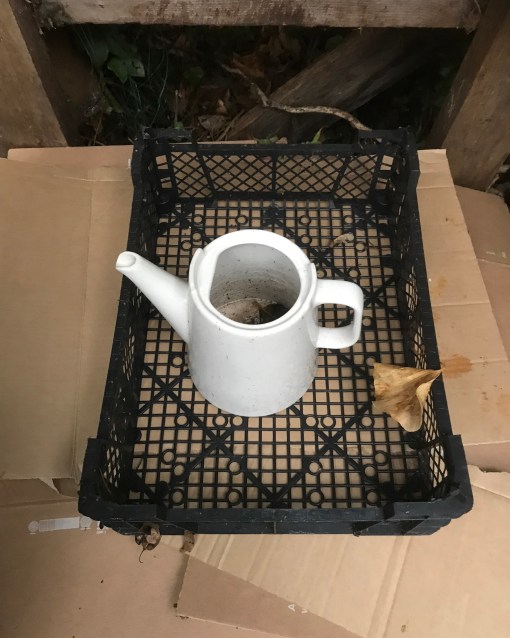
We felt sorry for the worms (who will just return to the heat of the lower part of the pile we hope) so we covered the heap with some sheets of cardboard and to hold them in place we stuck a plastic tray and a jug on top. There was no specific reason for the jug apart from it was the only thing we could get our hands on at the time. Perhaps we could start a new trend in the gardening mags of “household items on top of compost heaps”. You saw it here first!

While we were writing this piece we’ve had on the excellent new bandcamp set from Jah Wobble – The bus routes of south London. To say it’s good is an unstatement. It’s great that the 35 and 12 routes have been represented on here as they are ones we’ve been on often and in the direction stated. Two buses which weren’t featured on here are the P4 and P12, they are not bad buses when they do arrive but they certainly have their moments and we just don’t know how inspirational they’d be musicwise. 35 Towards Clapham Junction is our favourite tune at the moment and we’d love to know what the instrument/sample is at 3.30 on the track as it’s one mad sound especially when it goes up a pitch. Top stuff!

It’s beginning to look a lot like Autumn

There’s been a right change of weather over the last few days. The sunflower (above) next to the garage has taken a tumble a few times because of the wind and is back up supported by some garden wire connected to various old nails in the wall. There’s been some damage to the main stalk so if we can get another couple of weeks out of it before the frost or parakeets get to it that’ll be something, finger crossed.

We’re also seeing some progress with the semi-open compost heap (above). We give it a weekly turn and there is heat in there and lots of brandling worms and the old bath mat does its job of keeping it covered. As for the dalek bin (below), the compost is now ready and it’s being used. It isn’t a short process but one well worth doing for some great soil improver for next to nothing.

And we’ve been doing a bit of “little and often” gardening at the side of the pond which can get a bit neglected at times but with a help of a brown Lewisham garden refuse bin (which is a boon, it really is. We pack it to its gills then leave it out in the sun for a couple of days for the stuff to dry out a bit and then add “just one bit more”) and regular watering we are getting somewhere.

For the bed in the front of the picture below we’ve just split the odd plant and found some self seeded volunteers and stuck them there. It’s mainly mint and it will go a bit wild but it better than just weeds. Any chance of a last bit of sunshine please?

While we’ve been writing this we’ve had this on in the background, another show worth listening to!

Tales from the heap

The other week we cleared out some grass clippings and recent vegetation from out of the dalek compost bin and stuck it into the old fashioned “out in the elements” heap of old next to it. Up until a few days earlier the wooden frame was full of a few years worth of sticks and ivy that had never rotted down but we moved that into the local council’s garden refuse bin leaving the bottom of the dalek with a load of brandling worms chomping their way through some well rotted warm debris.

Well we looked in the “Open to the wilds of SE23” compost area today (we took off the once stylish now mouldy, bath mat cover first) and gave it a good fork over and it seems to be rotting much quicker than it was in the dalek, not sure if it’s the weather or just being outdoors but whatever it is, it’s working well (see above).

The quarter full darlek (above) is also doing well, there’s less brandling worms compared to last time we looked which means it’s on its way to maturing. Composting well is a bit of a science but it’s worth delving into (no pun intended) as your garden will thank you for it!

A new episode of Location, location, location (for the worms)

The compost heap was looking great yesterday with handfuls of brandling worms jumping about when we looked in (most falling off the bin’s lid we reckon as I don’t think our worms have learned how to fly just yet!) It was a sight for sore eyes seeing them and also feeling the heat, for the first few weeks after we started it was stone cold and wormless.

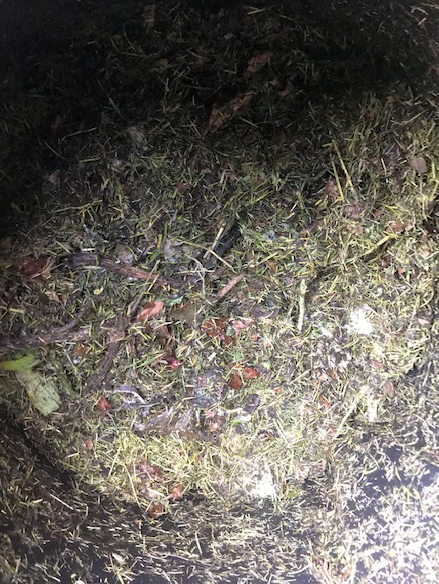
After a good old fork over this is what the heap looked like (above), a nice old mixture! It’s good to mix alll the micro organisms, bacteria and insects up and give them a change of scenery and the air you create helps too!

Those plastic dalek bins are a bit of a pain compared to those nice old square wooden ones when it comes to turning with a garden fork as the knuckles do tend to get caught on the lip at the top of a dalek. That’s something we’ve got to put up with at the moment until we rethink the bin.

Also the wormery which originally took a while to get going looked healthy yesterday (above) when we opened it up (AKA took the bin bag with the ventilation holes in it off the top). We tend to forget about putting stuff into it sometimes which is a crime but suprisingly it’s looking great. You can see the odd bit of just added teabag and a few bits of potato peel, that’s called guilt that is! #compostinginlockdown

Still life (with worms attached)

And the heat in there is impressive too! Look at the build up of brandling worms at the bottom. We’ve just seen on the web you can buy them, 100 for £11! All we did is put a wet piece of cardboard down the bottom of the garden. Two days later, worms! Thanks to the great Bob Flowerdew for that! #theuniverseinthecompostbin

Red beans and Eisenia fetida in the (compost) area

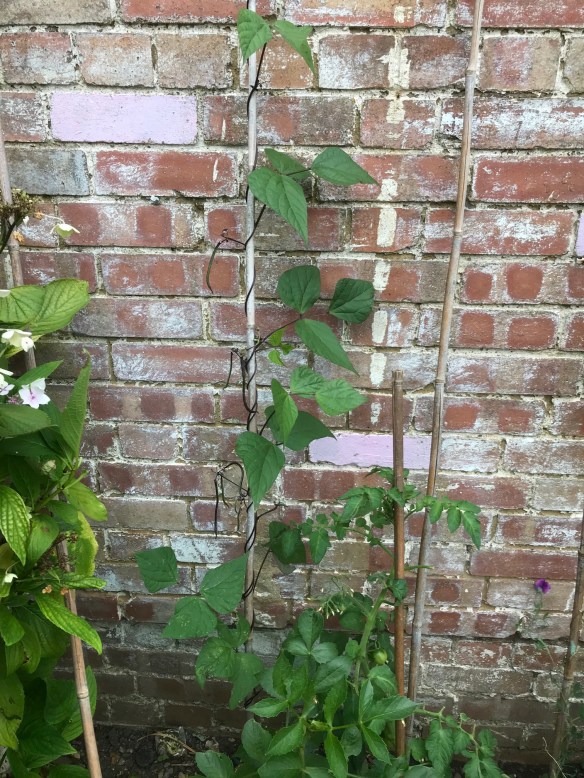
We sowed some mixed climbing beans quite late on in the season as seeds were really hard to get as you can remember. We honestly thought we’d missed the boat with any form of beans as we didn’t have much success with any we planted prior to these.

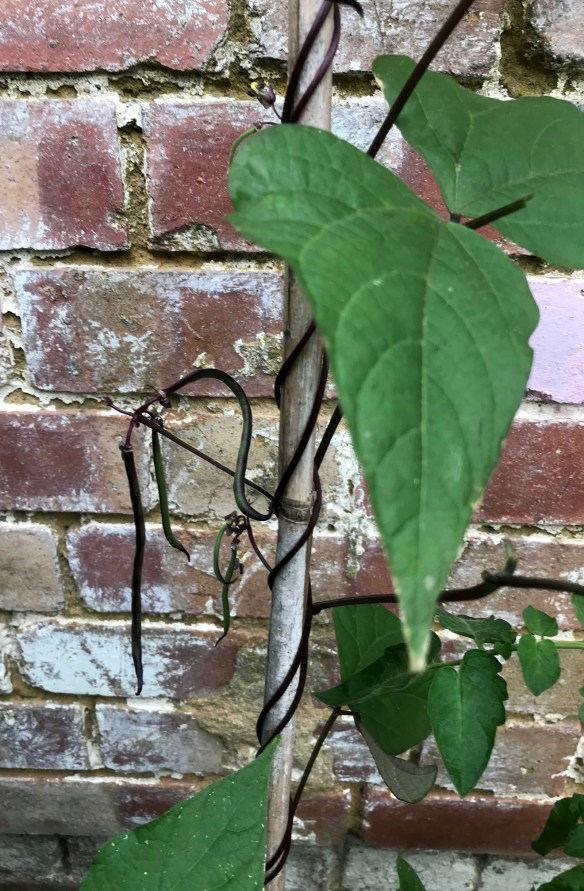
The other week we noticed some lovely purple flowers on the plant which is not in the best place in the garden, up near the house. The seeds were from a “Climbing Bean Mixed Colours” pack we got mail order from Thompson & Morgan (have a butchers at their great gardening blog here) which contained: “‘Carminat’ – Fleshy purple pods with beige seeds, ‘Monte Cristo’ – Tender, bright green pods with white seeds and ‘Monte Gusto’ – Waxy, pale yellow pods with brown seeds.” It must be the Carminat and they are looking great. As long as we keep up the watering over the next few days and snip off any leaves from the Hydrangea which tend to hide any plants beside it we should be okay. We’ll keep you updated!

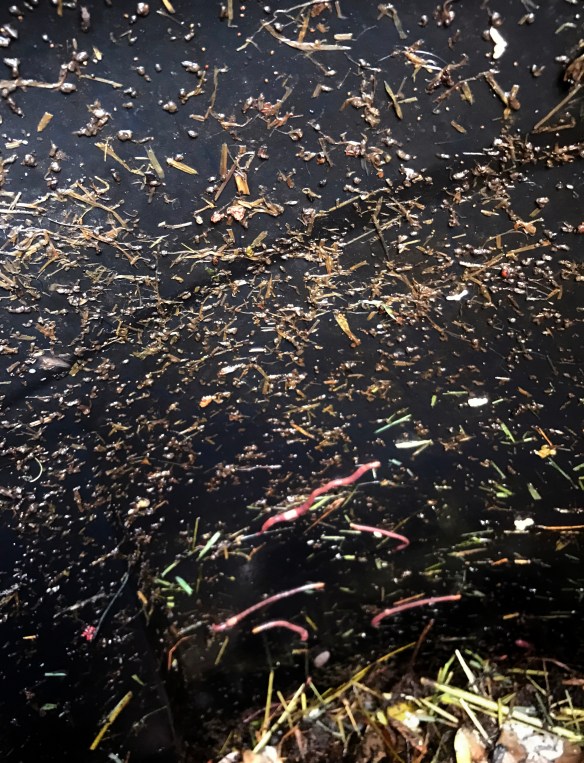
We’re on furlough again as from Monday for two weeks (at home) then a week’s holiday (at home) so expect more regular posts including (possibly): an hour by hour compost heap commentary and a live webcam on bin night plus other fascinating items. And talking of bins here’s a few brandling worms (aka Eisenia fetida) from a day or so ago in that alternative universe at the bottom of our garden. We looked in again today and there were loads more. The daily turning with a garden fork regime (and the daily scraping of the knuckles on the inside of the bin) plus the regular trips with the used teabags are working!

And as the weather is going to be very extreme tomorrow (There’s a load of Lidl’s finest economy ice lollies in the fridge as essential backup) here’s a very nice chilled tune from sir Was & Casper Clausen called Flyder on the No Label. Let’s say it’s “infectious, very infectious”! #lockdowngardening  #gardeningasahelptosanityinlockdown

This post was written while listening to the excellent Rupie Edwards selection here:

Top of the pile(s)

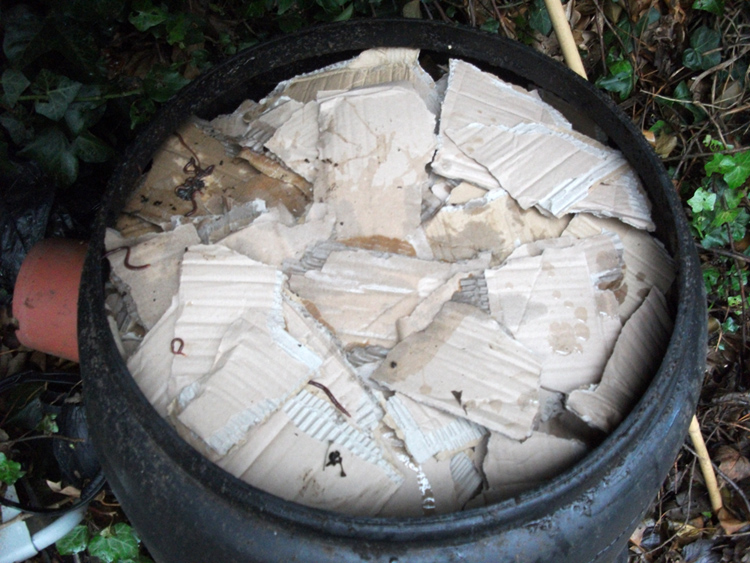
The top of the pile

There’s not much gardening been done in good old London town this week due to the Christmas festivities/very wet weather but this morning I did rip up a few big cardboard boxes from the kid’s christmas presents (image above with brandling worms posing at the top of the pile, the vain gits!) and whacked them in the compost bin in layers in between some kitchen waste (remember to keep your pile well-balanced, man!) And the more varied stuff you put into the heap, the better quality that will come out of it and all that good compost is free (and you can never have enough of it!)

Compost bin number 1 can’t take much more now so the other darlek type one I’ve just emptied (bin number 2 which I got gratis off the council, so check if you can do the same!) will now be the one I’ll start to fill again. Talk about full circle!

While down the bottom of the garden I noticed there’s still a massive pile of cuttings/prunings that couldn’t go in the bins and that I need to get rid of, so as soon as it all dries out (some chance with this blimmin rain) I’ll be getting that incinerator back into action (cue neighbours complaining and slamming their windows shut!)

Also one last thing. I’ve got some assorted herbs on my kitchen windowsill (Basil, Lemon Balm, Coriander and the like) and it’s attracting a lot of mini-flies even in this climate. Any ideas how to keep them away?

The day the worm turned

Last weekend I made myself a wormery which I’ve been meaning to do for a while now but my drill packed in a few weeks ago. When you see the price of the commercially sold worm-composting bins it’s definitely worth making your own. The main reason I made one is for the excellent compost I’ve been hearing a lot about and the liquid by-product produced, that can be used as great plant feed when diluted. Much cheaper and better than the chemical laden stuff you get for a fiver in DIY shops!

Armed with notes from the excellent “worm composting in the city” course at the walworth garden farm and some research in the library the week before, combined with the purchase of a new electric drill from Wickes (£29.99 from their “no frills” range) I was ready to roll!

The container is a plastic mop-bucket sized tub with a lid which was procured outside a shop in Theobalds Road (left out for the binmen) which I first gave a good wash out. I drilled a few dozen holes in the bottom (for the liquid to seep through) and the same amount 1” from the bottom and 2” from the top for ventilation. You could also drill some small holes in the lid for good measure too.

I then put a good layer of well ripped up newspaper and (untreated) cardboard at the bottom of the tub and gave it a soak and left to drain out for a short while. I then put in a layer of rotted compost from bin attempt 2, put the lid on and left overnight.

In the morning I put in a handful of composting worms (tiger or brandling worms, available from fishing tackle shops, the internet, off a fellow composter or as Bob Flowerdew suggested, lay a sheet of wet cardboard on the ground and in a few days you’ll get the worms on the underside) into the container. You only need a few as they breed like crazy.

I then put some a thin layer of finely cut up scraps of vegetable/kitchen waste in for the worms to feed on. They don’t need much at one time as they can only consume so much but they do like it regular so keep checking on them while making sure the compost doesn’t dry out and is kept just moist at all times. You can put in fruit and vegetable peelings, washed out uncooked egg shells, bread, leaves, dead flower heads, tea bags and coffee grounds etc. No meat, dairy products, oily foods etc as you don’t want to attract rats and mice even though it’s like catworld in our back garden! Once a month you should also add more fibrous material like ripped up newspaper and ripped up egg cartons.

The bin can be left outside but a warm place like a garage or the like is better, somewhere sheltered so as not to get hit by extreme cold as the worms can’t tolerate being baked or frozen. You could always insulate the bin with bubblewrap or similar if you do choose to site it outside (check that the airholes don’t get blocked) and make sure the bin is never in full sun.

Do remember to put a tray or something similar underneath the bin (mine is on two bricks to lift it off the floor) to catch the liquid that is produced. I will you keep you updated on how I get on and pass on any tips learnt as this is a first for me!

Cost of the post:
Electric Drill (Wickes “no frills” range): £29.99
Bucket: Free from outside a shop left out for the binmen.
Newspapers: 2 x Daily Mirrors bought for the Free Seeds
Composting Worms from Compost Bin Attempt 2 (Free)