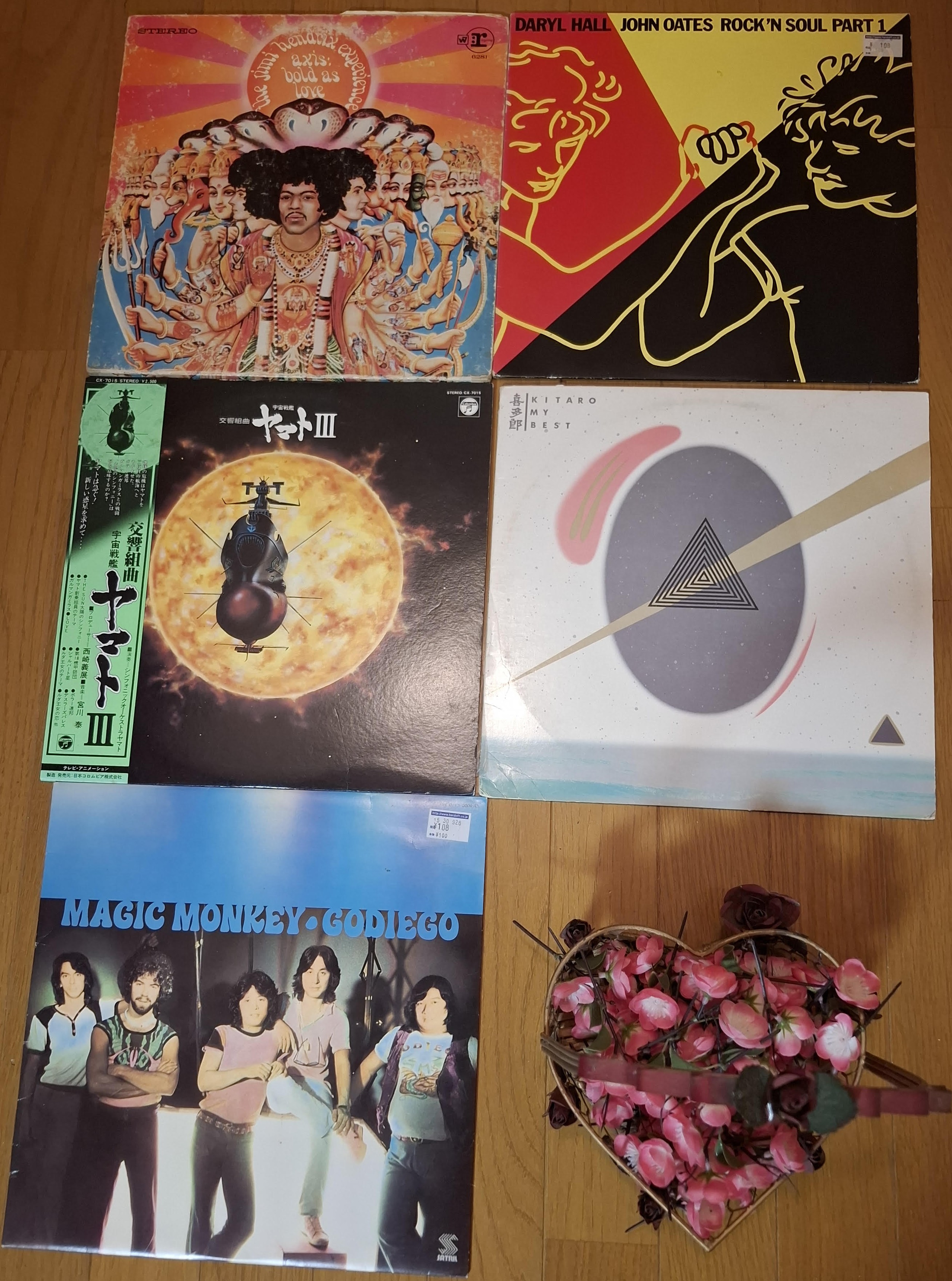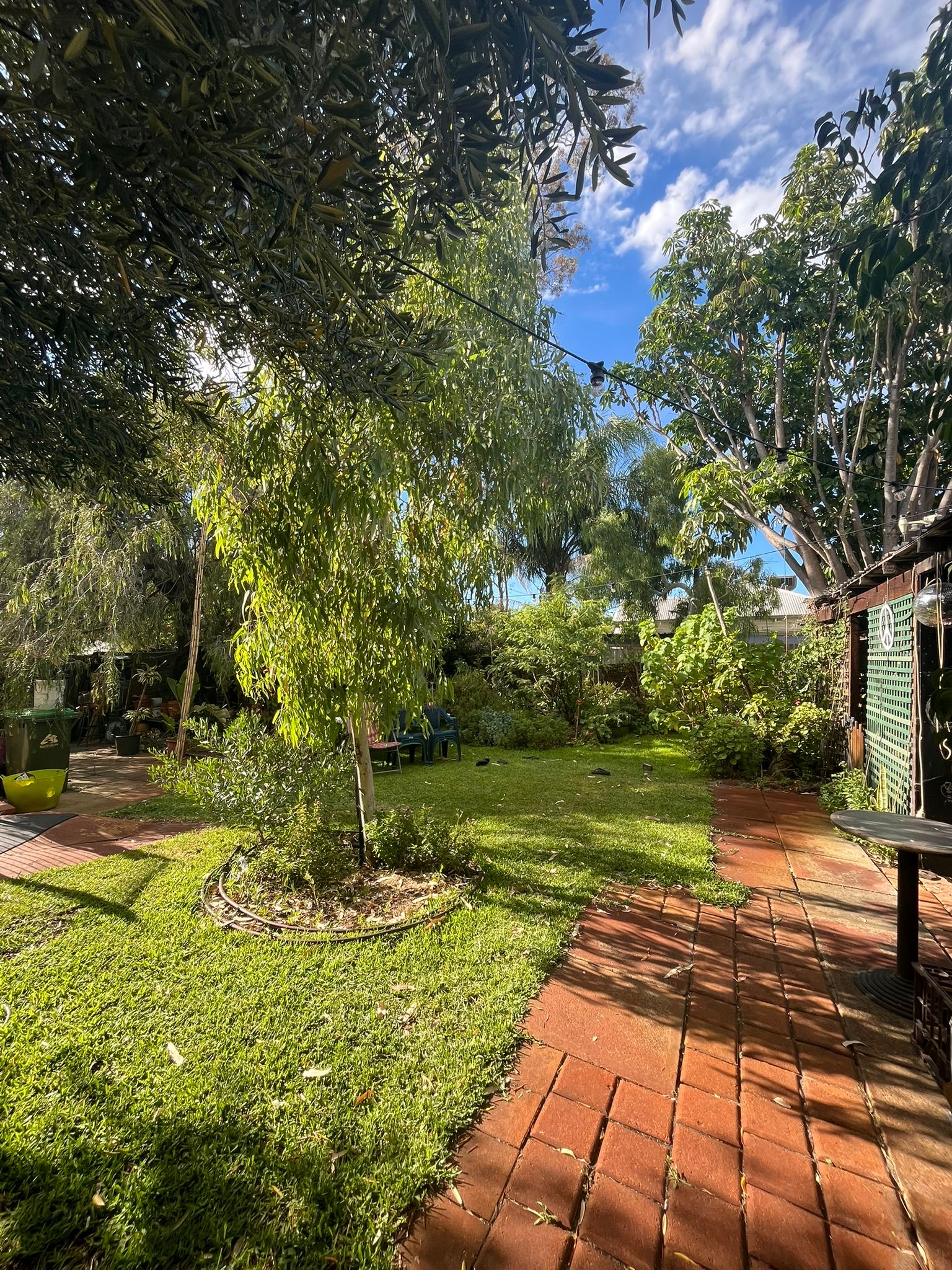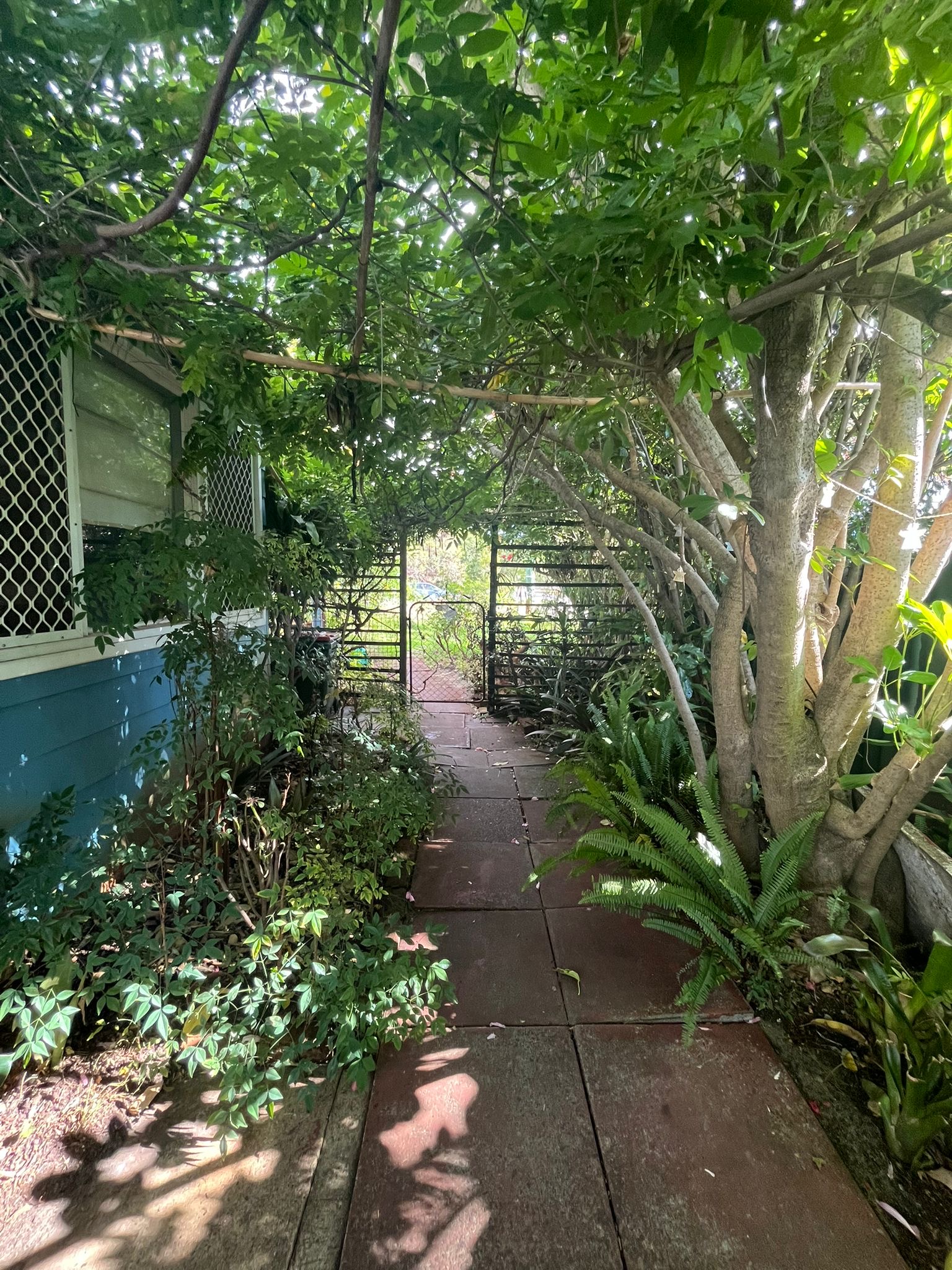

Rose thorns as gramophone needles. Isn’t it?

Thanks a million to the one and only Rhythm Doctor for playing One Deck Pete’s “Put a sock in it” mix (originally for Imaginary Station’s KTAB) 11.30 mins in on his “Mojo” It’s a mix up of some fine funk, jazzy stuff, latin, soul, ska and whathaveyou. More on the show here.

Tracklistings:
Jimmy James – Come to me Softly
Off a Jamaican 7″ single on WIRL from 1962 from the man Jimmy James as in Jimmy James and the Vagabonds “I’ll go where the music takes me” fame.

Kouta Katsutaro – Asu ha otachika
Off the wonderful set simply entitled “Kouta Katsutaro” on Death Is Not The End’s Bandcamp (here).

King Stitt/Tommy Mc Cook – Sauvitt
As sampled by One Deck & Popular on “Son of Stitt” (here) and a version of Mongo Santamaria‘s Suavito (here).

Alick Nkhata – Kalindawalo Ni Mfumu
This track is something else! A sort of Rock n Roll stomper, with some lovely harmonies and some horns courtesy of a Coventry Salvation Army brass band sound-alike and someone tinkling those ivories very skillfuly towards the end. It don’t get much better than this. On an LP called Radio Lusaka off the mighty Mississippi Records Bandcamp here.

Marty Robinson – Follow you
From a very battered Coxsone Dodd white 7″ blank and later released on his Port-O-Jam label. M (Martell/Marty) Robinson may have lived in the Coventry/Birmingham area for a bit too. More about the artist here.

(Don’t) build me up buttercup

Big thanks to the horticultural team at Thompson & Morgan for their helpful advice following Jesse Yuen’s post the other day (here) about ongoing problems with Bermuda Buttercups (Oxalis pes-caprae*). It’s looks like a chemical weedkiller (which Jesse is not going to use) can’t rid a garden of them.

“Bermuda Buttercups are a plant that you may have to learn to garden with rather than against. Pulling up plants always leaves tiny bulbils behind that grow into new plants, it can also result in the spread of bulbils to new areas. These bulbils act as storage organs which are very persistent, lying dormant beneath cardboard or mulch for months, possibly years, so that as soon as the ground is exposed to light they re-emerge. Constant hoeing will help to deplete the bulbils, but again – it will take years for this to have any effect.”

“Even If you decide to use chemical weedkillers, timing of application is critical and you may have to do it more than once. You need to catch the plants just at the point before or on flowering. This is when the bulbils are exhausted of food whilst young bulbils are too small to survive. Not all plants will be at exactly the same stage so repeated applications for several years are required.”

Thanks again to all at Thompson & Morgan for imparting their knowledge about the plant that is giving our good dub gardening friend Jesse a headache at the moment.

*The specific epithet pes-caprae means ‘goat’s-foot’, possibly in reference to the shape of the leaf. (wikipedia)


Looking down on us all

Inspired after seeing Peter B’s sunflowers in the last post here’s one of ours, the giant version off ebay that is still hanging in there. Thanks to some gardening wire and an assortment of garden canes it still stands. Just.

And here’s a couple of helianthus related tunes. The first is opening needle progress with Sunflower and the second Metamatics with the rather apt Giant Sunflowers Swaying In The Wind. Trouble is when that giant sunflower (above) sways, the canes come away and the damn thing droops!


Gardening connects us all (Woolwich edition)

Thanks a million to an old friend Peter B for getting in touch and for sending some pictures of his allotment in Woolwich. Top picture, as he writes “The sunflowers are holding up well – apart from the ones in the back garden which are beheaded by squirrels.”

We understand 100% Peter as they are popular with the wildlife here in our garden. A long while ago a parakeet was robbing the seeds even though we were standing underneath it (see post here) then half an hour later two squirrels were chancing their arms too (see post here). Even a living scarecrow can’t stop them!

We found these pictures above interesting, as Peter mentioned “The cardoon shots are from the allotment – the stems are wrapped in cardboard for a month apparently to help blanch them. It’s supposed to make them taste better – the ones I tried earlier this year are bitter tasting even after extended cooking.” He added “They are an Italian favourite, a parmigiana made with cardoons as opposed to aubergines is to die for or so I’m told by a colleague at work.” We have a cardoon growing here at Weeds HQ but just for decoration purposes as we have never even tasted them before.

As he goes on to say “The cardoons are an experiment – I planted these a bit late this year and I didn’t space them far enough apart so they’re smaller than they might be – they grow to about 2 metres if spaced a metre apart.”

And finally “Tomatoes – I just like the look of them right at the end….”. Excellent stuff Peter, great for getting in touch again and ta for the photographs. Do send us an update next year!

Gardening connects us all (Perth edition)

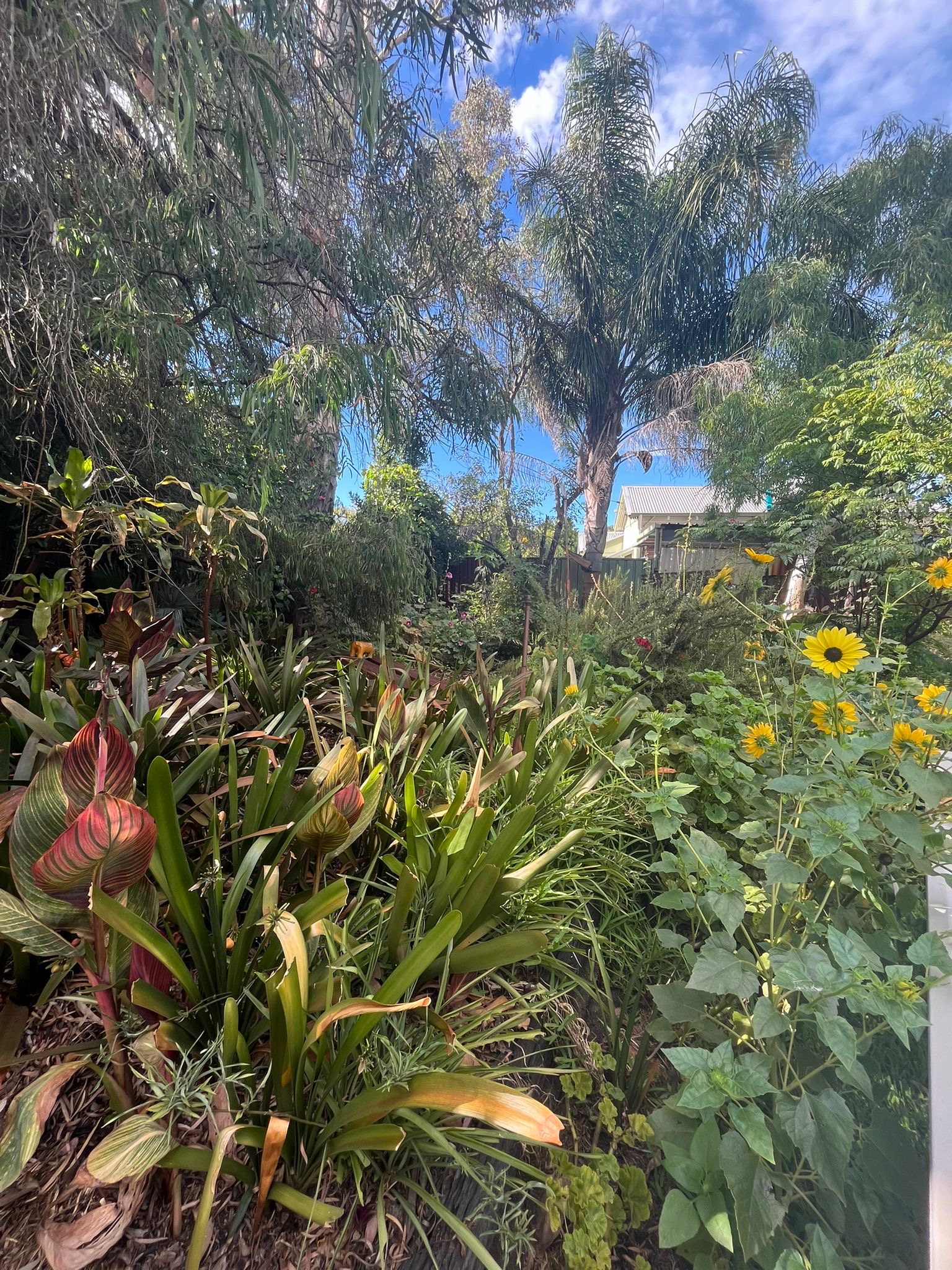
If you remember, our friend and Downbeat on Shortwave collaborator Jesse Yuen (of RTMFM’s North of The River Swan) moved into a new house in Perth last year and is doing some major work on his front garden. His last post was here and we’ve got an update and it’s a great one!

“Okay, so this is the next chapter in what I’m calling “re-wilding” our front yard…”, over to you Jesse:

The house was built in 1963 and right up to that point, our property was just undeveloped bushland. In the ’50s and ’60s the urban sprawl in Perth started to spread through our suburb and giant bush blocks owned by rich people were divided up into smaller lots and sold off as private properties. At the same time the government built road infrastructure through the area and our house was one of the first built on the street. We bought the house from the family who built it, who had raised a couple of generations of kids in it so when we moved in, it still felt very much like theirs.

We purposely let the front yard die, didn’t water the lawn for a year, ripped up the non-local vegetation and essentially completely neglected it. People walking past must have thought we were crackheads, because it was looking very rough by the end. The goal was to remove the effort of clearing it by hand, let it die naturally and create a sustainable garden that probably was similar to what would’ve been growing there 100 years ago.

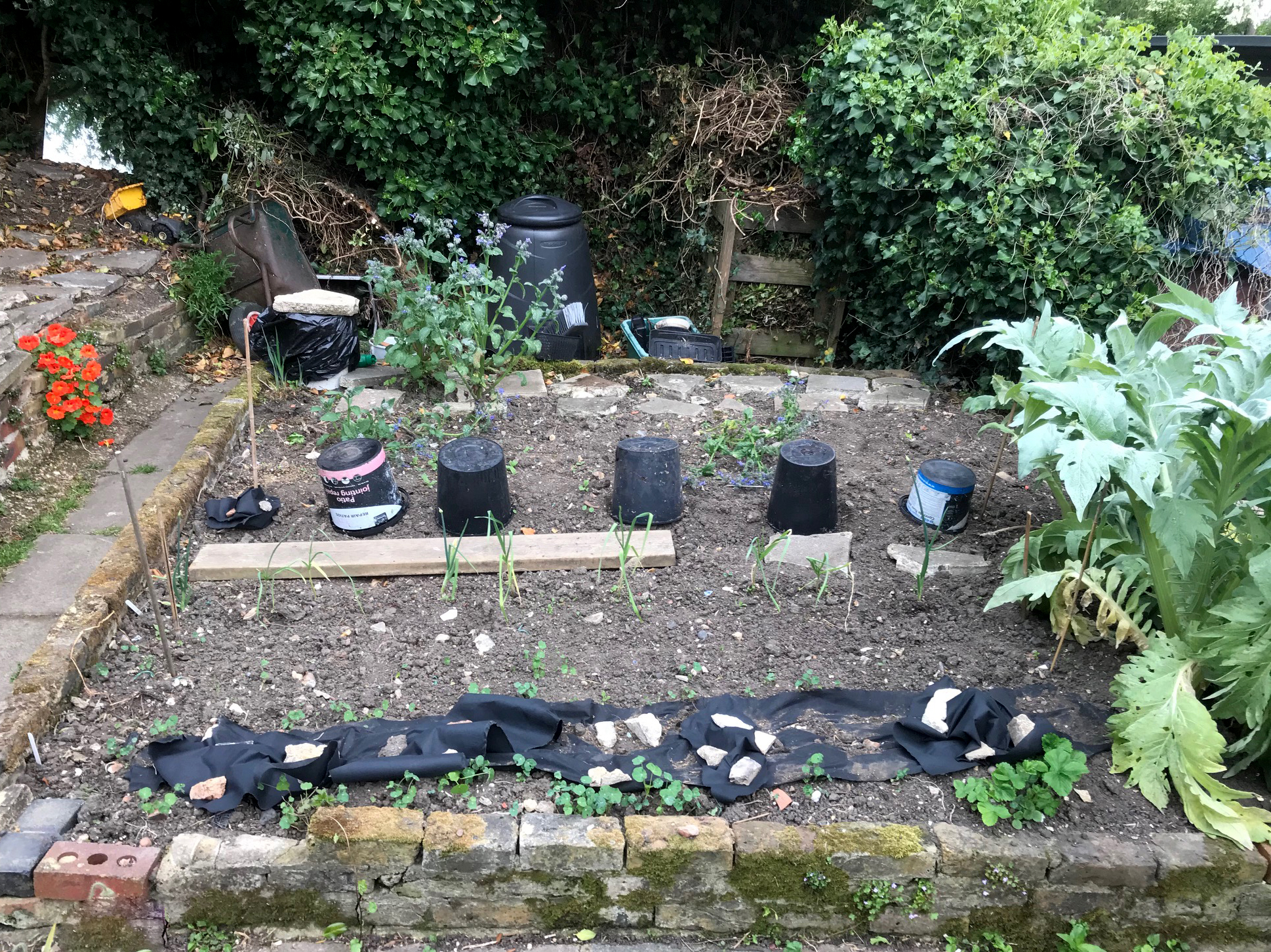
We adopted a technique we’ve heard about called “smothering”, essentially covering the entire area in cardboard, watering it in so it moulded to the present topography and then laying a heavy amount of mulch on top. The weeds and the things we didn’t want would be starved of sunlight and oxygen so not being able to photosynthesise and die without needing any pesticides or laborious weeding.

We progressively laid cardboard over the entire garden and weighed it down with bricks then watered it all in, making it mushy and soft and moulding itself into the ground. I’ve been saving up cardboard for the last year, luckily moving house means you have a lot of the stuff on hand. It was great to use all our own cardboard rather than buy it and we also had some concrete around the house from renovations and stuff too. I salvaged a bunch of slabs from the back yard and made a cute little path through the front of the garden.

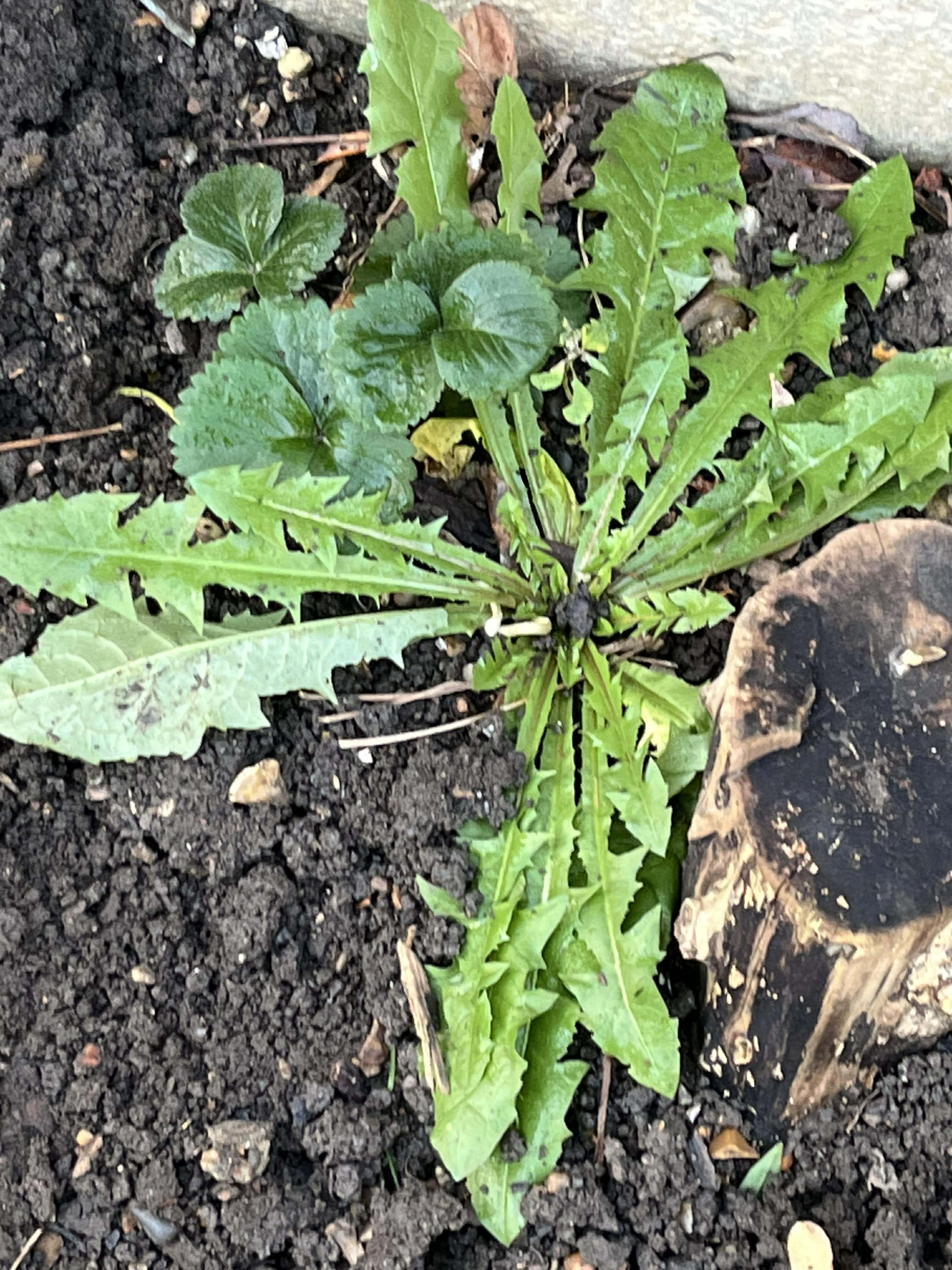
I was incredibly disheartened to find that within weeks, local weeds had figured out how to grow through the cardboard through the mulch (below). The primary villain in this war of weeds Is this one: Oxalis pes-caprae, commonly known as African wood-sorrel, Bermuda buttercup, Bermuda sorrel, buttercup oxalis, Cape sorrel, English weed, goat’s-foot, sourgrass, soursob or soursop.

Kids growing up in the ’80s and ’90s in Perth called it sour grass and we would eat the stems and the flowers for snacks, even though it is incredibly sour as the name suggests. Without a doubt if you were seen picking it, a kid would tell you that a dog probably had peed on that patch of sour grass but you’d probably ate it anyway. This weed comes from a bulb buried deep underground and I must’ve left tons of it buried in the soil because it’s everywhere now.

You can see how long its stem is (above), it’s probably extended itself maybe 20 cm to burst through the cardboard and the mulch to find the sunlight. Really impressive, life will find a way right? They have come up everywhere in the garden and I’m experimenting with pouring boiling water over it all because I refuse to use any chemical chemicals to kill the weeds.

By the way, these last couple of days was heavily soundtrack by this tender, contemporary jungle album by Coco Bryce.


Cheers Jesse for sharing your story and pictures, we really appreciate it and look forward to the next part which he says is a cracker. “There are some nice plants coming along in the yard and some of them are getting a lot of commentary from the neighbours as they walked past which is great too.”

Late night saturday vibes (9pm)

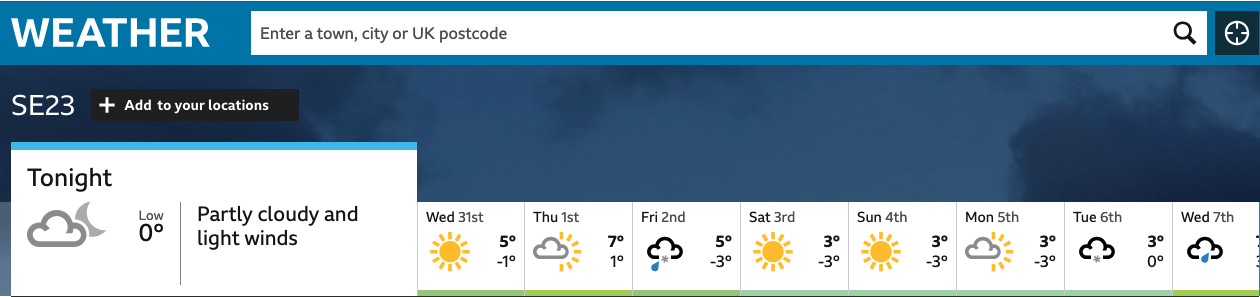
Here’s a couple of electronica bits for the last Saturday of warmish weather before the cold comes in (so it said on the weather forecast on the telly this evening). The first tune was played by Steve Barker on the great On The Wire last week (here) and is called Forma III by Donato Dozzy & Sabla. Wonderful stuff!


And above another great one on the Serafin Audio Imprint out of Germany “supporting slow and beautiful music all around the world” from Mark Mywords & JOOR called Belzehuble (Ed Noodle Remix). A nice chilled one that builds as it goes along and ends with a bit of an acid house squelch. A tune for standing on chairs and flailing the arms about to for that long lost rave feeling from a time when going to bed at 10pm was frowned upon!

Towards the end of the growing season

Cheers to Mike & Julia from near Coventry for sharing a towards the end of season photographic report (fantastic pictures as ever Julia!) This is going to be a two parter as there’s so much good stuff been sent. Their comsos are looking fine (above and below).

Their garden doesn’t half look fine even at this time of year. We thought our garden was looking beyond repair but last weekend with a bit of a lawn cut and a trim and pulling out of the tomato plants and some dead heading it didn’t look too bad in the end but nowhere as great as these pictures.

We also love what we think is an echeveria (below) as those angular flowers look great and also those aster flowers (lower below).

Next part will include some dahlias amongst some other things. Keep them coming Mike & Julia and thanks again!

A message from Kyiv

As always, it’s good to hear from Wlad (US7IGN) in Ukraine. If you remember, Wlad was featured in a Radio 4 documentary called Lights Out in an episode called Call Signs (here) which was about life as a radio amateur living and working in Kyiv during the Russian invasion. He also has two books out about his experiences and they’re well worth reading if you want an insight on what is life is like out there. More about the books here.

Wlad was telling us that his good friend Sergiy (UT3UFD) is not only growing a banana tree (more on that here) and bonsai but he’s also growing seeds from fruit he eats. The photos above and below are his avocado plants, brilliant stuff. Thanks for keeping us updated, Wlad, and as always, our best wishes to you and Sergiy over there.

We’ve found something on the RHS website about growing avocados plants from seed here. It’s interesting stuff.

And now the end is near

The back garden is in a bit of a mess at the moment as we haven’t been able to go out there as much as we would have liked to of late. There’s a still a couple of things that make us smile though. This morning we saw this cosmos (above), peeking through the broken paving slabs at the back of the pond after our “throw them everywhere” sowing experiments earlier this year.

The echinacea we got from B&Q (above) is still making a stand and hopefully if it don’t rot off over the winter due to the heavy soil here we’ve get more next year and the calendula (below) which was sown by the same method is great too. Do send us your end of season pictures (to one deck pete at gee mail dot com) and we’ll post them up.