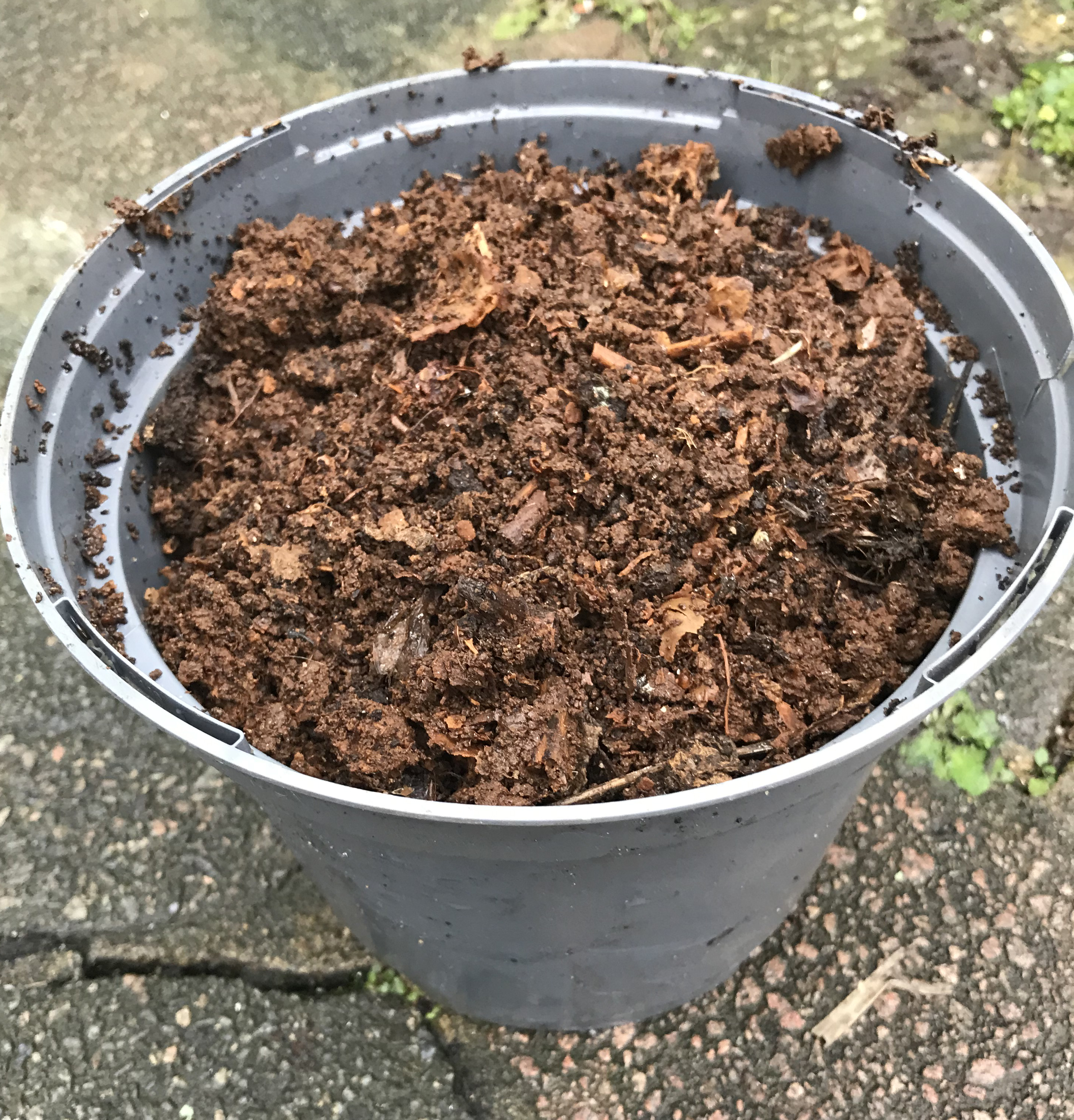
The other year we started some seeds off in some peat-free compost bought from a local supermarket which we thought was a right old bargain at the time. The seeds germinated and then stalled at the seed leaf stage, hung around for a couple of weeks and just withered away. We mentioned this here the other week and got some good replies about the same problem and also some great advice from Alan who mentioned he started mixing garden compost in with the peat-free compost and it seemed to work a lot better.
We mentioned the problem of peat-free compost to
Thompson & Morgan’s blog who replied with some great info from their resident horticultural expert. She said…
“Well, what can I say? Not all composts are the same!
There is no problem with using peat-free compost for seedlings – I do it all the time. The National Trust has banned peat-based composts and successfully raises all its plants in peat-free mediums. Similarly, the RHS promotes the use of peat-free. The only thing with peat-free compost is that it requires slightly different management particularly as regards to watering. The surface of peat-free compost dries out quickly but it is often still moist underneath. Consequently, many gardeners fall into the trap of over watering plants growing in peat free composts, and this is especially a problem with seedlings which can quickly succumb to ‘damping off’ in over-wet conditions. From the description, this does sound like a case of damping off – affected seedlings quickly keel over and wither.
When working with peat-free, it’s important to poke the top few inches of compost in the pot and check how damp it is underneath as surface dryness is not a true indicator. Cheap peat-free composts are full of cheap fillers and do not have the right texture balance to distribute water evenly. For the best results, use a peat-free compost that is specifically for seeds and cuttings. A limited number of plants need raising in compost with a low pH and so will do better in peat (e.g Meconopsis) but for the vast majority of seeds it is absolutely fine. Plants raised in peat-free may require a bit more fertiliser as peat-free compost has a tendency to ‘lock-up’ some nutrients.”
Brilliant stuff! Thanks a lot to Thompson & Morgan for letting us know more about peat-free compost. From now on we’ll be spending that little bit more on seed compost as someone once told us “there’s no such thing as a bargain” and they may be right!

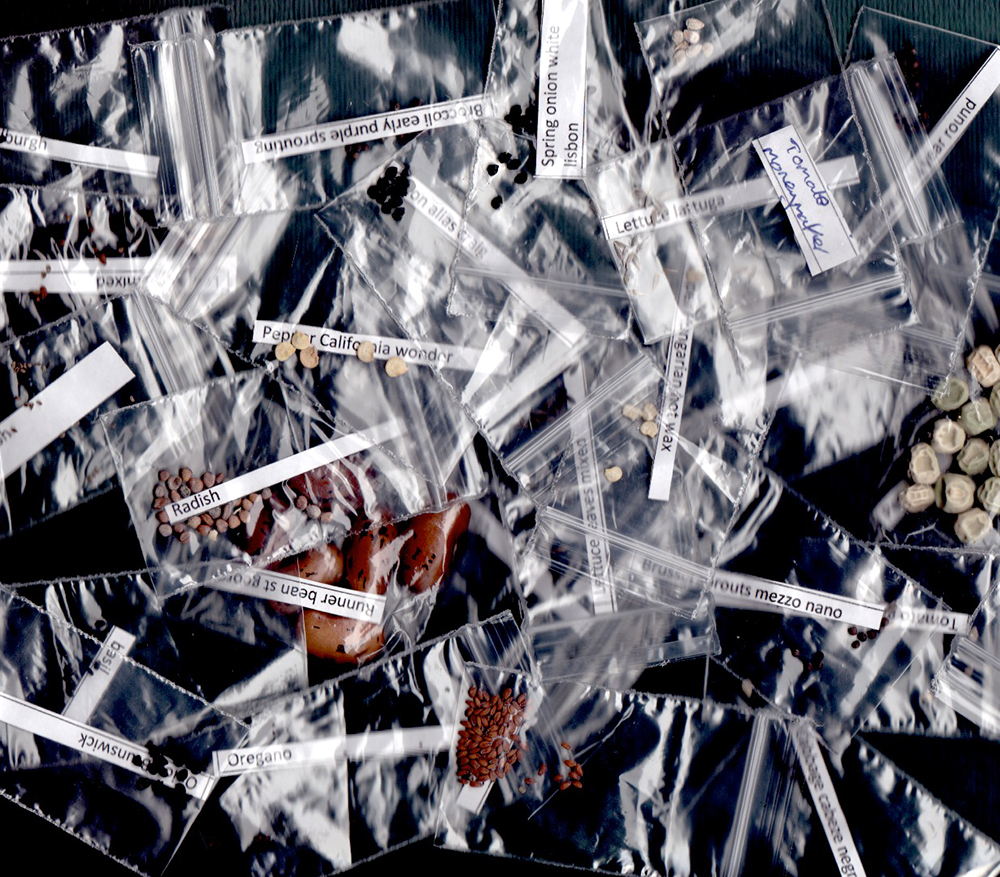
Pic: You don't need a glass of wine at a seed swap but it does help.


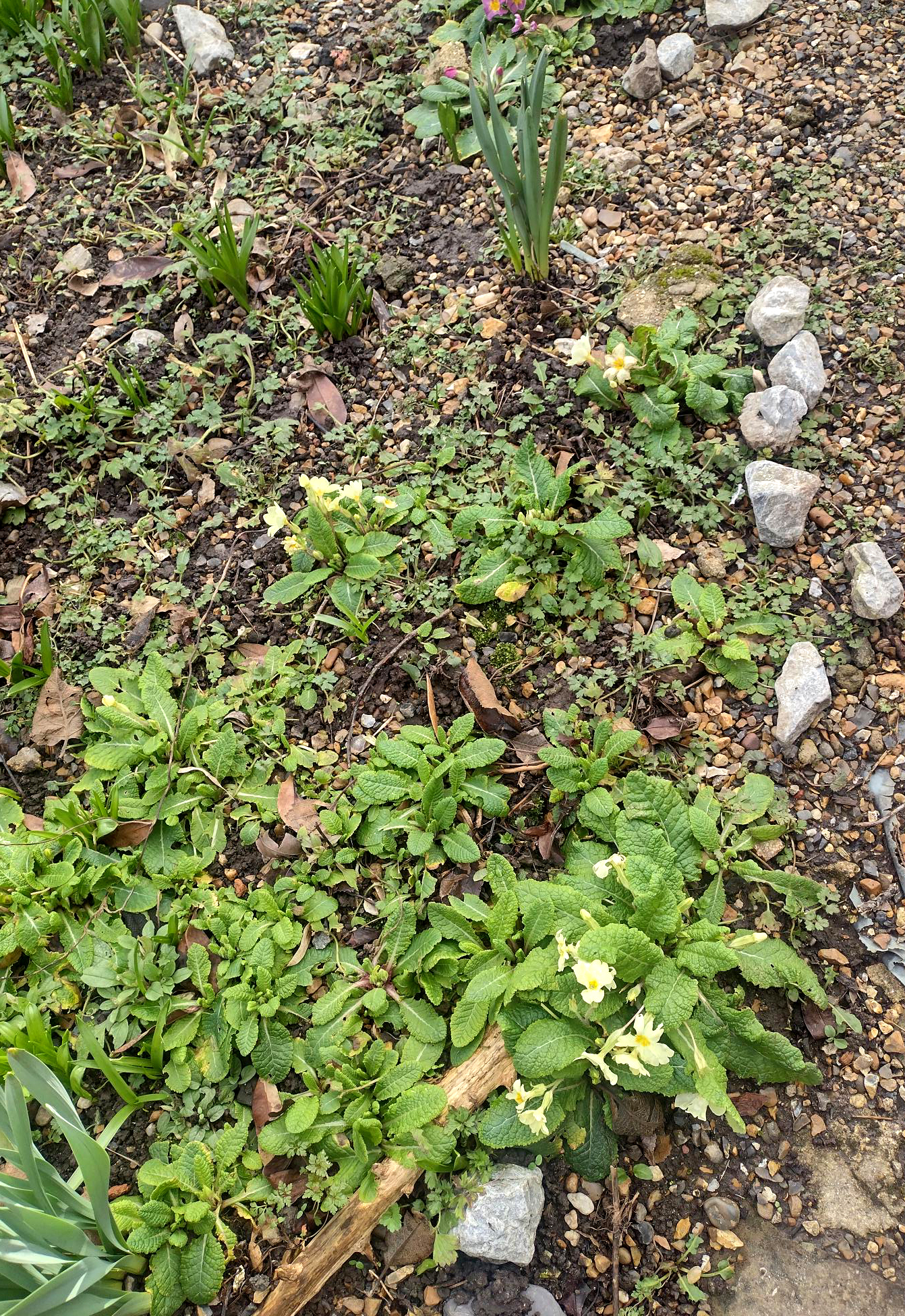 “We have had primroses/primulas for quite a while. They are the conventional yellow colour but there are also a few red/purple ones. Lovely to have some colour in the garden.” Debby’s right
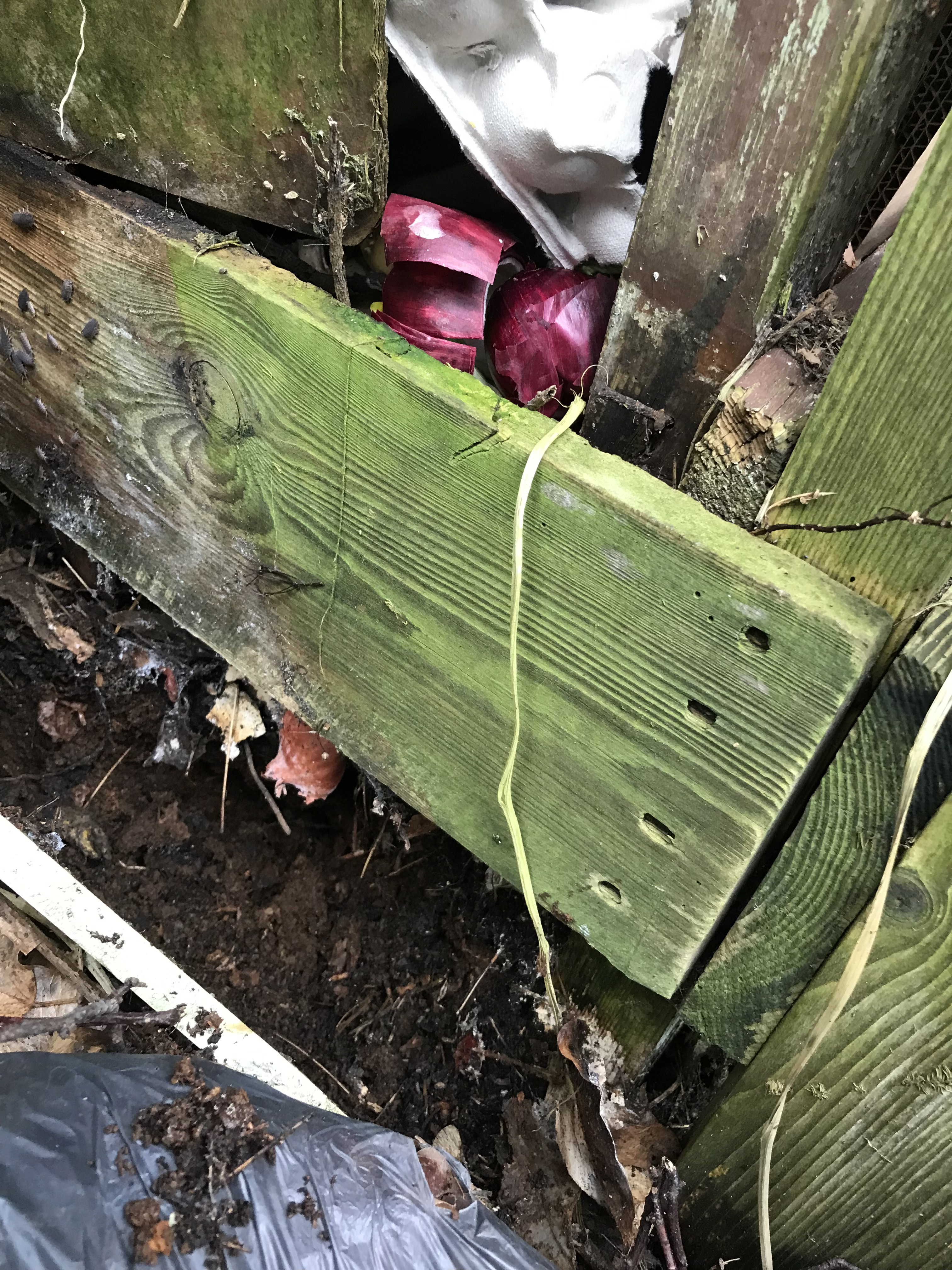

 The other week we were chatting with a gardener friend about those damn fungus gnats that in the summertme usually plague our plants on the kitchen windowsill. She recommended using some Neem Oil which we’ve never heard of before and brought some for us the other day. We have no idea if it will work, how it works and what you do with it apart from diluting it and putting it on your plants. Any ideas? Does it work and what’s the best way to use it? Do drop us a comment.
 Weeds up to me knees